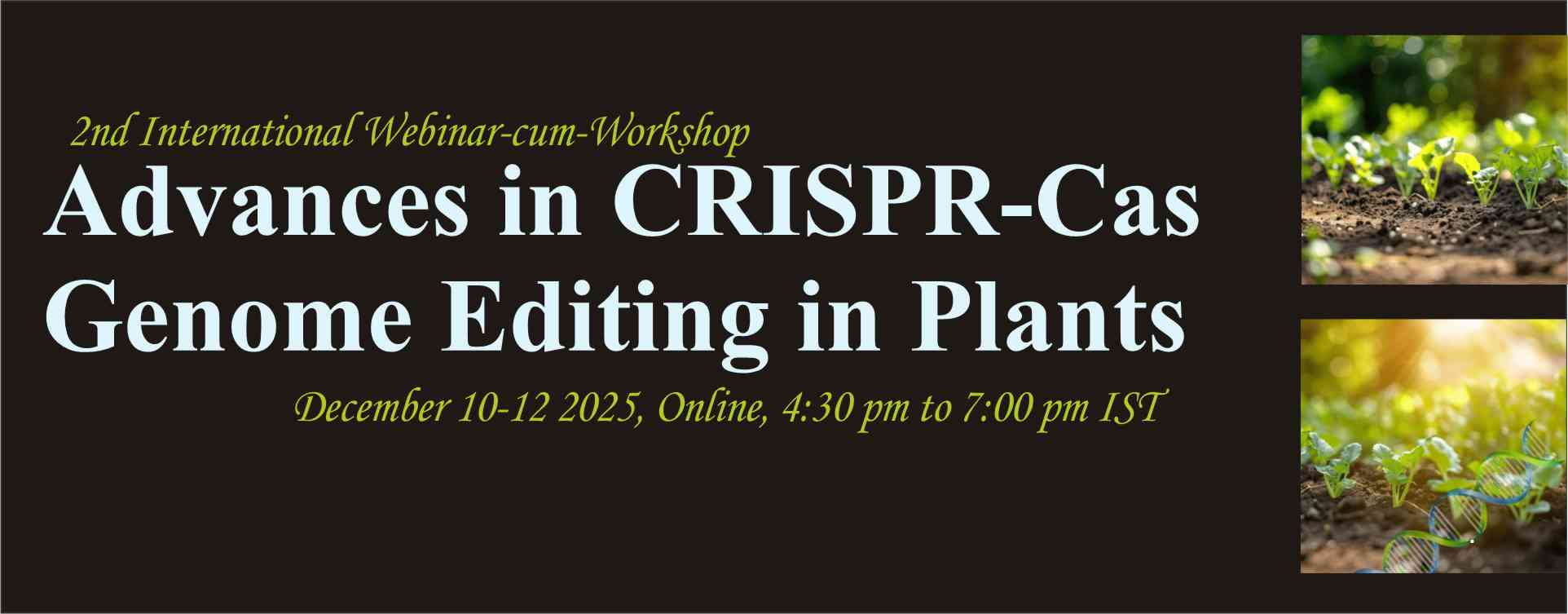
Advances in CRISPR-Cas Genome Editing in Plants
Overview
CRISPR-Cas genome editing represents a revolutionary advancement in science, offering unparalleled precision and efficiency in modifying the DNA of living organisms, including plants. This transformative technology has opened new frontiers in both basic and applied research, driving innovations across agriculture, nutrition and healthcare.
This online event will provide a comprehensive exploration of this cutting-edge field. The participants will explore the fundamentals and transformative applications of CRISPR, showcasing its impact on enhancing agriculture, food, and nutrition, as well as its profound implications for healthcare and the evolving regulatory landscape surrounding this groundbreaking technology.
Unlock the future of agriculture with CRISPR technology! Join us for a high-impact webinar exploring CRISPR-Cas genome editing
Conference Dates
10-12-2025 to 12-12-2025

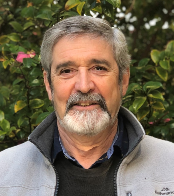
Prof KC Bansal's Biography
Professor KC Bansal is a former Director of the National Bureau of Plant Genetic Resources, Indian Council of Agricultural Research (ICAR), New Delhi. He also spearheaded the National Transgenic Crop Network across various ICAR research institutions.
His research interests include functional genomics and transgenic development for abiotic stress tolerance in plants; developed the first series of transgenic crops with improved tolerance to drought and salt stress. His work on functional characterization of LEA, MYB, sHSP and osmotin gene is well known. The first ABA receptor gene OsPYL10 from an Indian drought tolerant rice landrace was cloned by his lab.
He took an unprecedented initiative to evaluate the entire wheat germplasm (~ 22000 accessions) conserved at the Indian National Genebank, and identified trait-specific reference sets.
Prof. Bansal served as Vice-Chair (Asia), Commission on Genetic Resources for Food and Agriculture, FAO, United Nations (2013-15). He is recipient of the Indian Science Congress award conferred on him by the Prime Minister of India, and the Haryana Vigyan Ratna (Highest State Science award).
Prof. Bansal is elected Fellow of the National Academy of Agricultural Sciences, and the National Academy of Science, India. He serves on the Editorial Board of the Plant Biotechnology Journal.
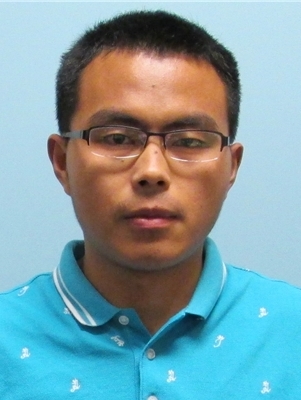
Michael Jones's Biography
Dr. Michael Jones is the Foundation Director of the WA State Agricultural Biotechnology program. His research focuses on the molecular basis of interactions between crop plants and pests/pathogens (nematodes, insects, viruses), and innovative control methods. He is particularly interested in transgenic plants, new breeding technologies, gene editing (e.g., wheat, potato), and technology regulation, with a strong desire to translate R&D into societal benefits. He has authored over 300 publications and supervised 70 PhD students.
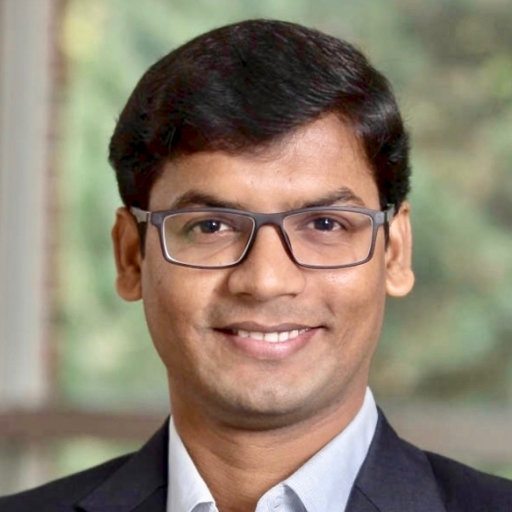
Kutubuddin A Molla's Biography
Prof Kutubuddin A Molla, Scientist from ICAR-NRRI Odisha, India. Dr. Molla's areas of specialization are CRISPR/Cas tools development, Precise Genome Editing, Base Editing, Genetic Engineering, Transgenesis, Host-pathogen interaction.
His previous positions were: He was Fullbright Visiting Scholar, Plant Pathology and Environmental Microbiology, Pennsylvania State University, USA (2017-2019). He was the Scientist, Division of Genomic Resources, ICAR-National Bureau of Plant Genetic Resources, New Delhi. He has many publications and book chapters to his credit and is the recipient of many awards and recognitions.
Soham Ray's Biography
Soham Ray
Scientist
Division of Plant Physiology, ICAR-IARI, New Delhi
Dr. Soham Ray is a Senior Scientist (Agricultural Biotechnology) in the Division of Plant Physiology at ICAR–Indian Agricultural Research Institute (IARI), New Delhi. He completed his M.Sc. and Ph.D. in Molecular Biology and Biotechnology from IARI and began his scientific career at ICAR–Central Rice Research Institute (CRRI) in 2012. In 2020, he joined IARI, where he has since been actively involved in genome-editing research. His work centres on plant stress biology, with the goal of understanding how crops respond to major biotic and abiotic stresses and contributing to the development of climate-resilient varieties. During his Ph.D., Dr. Soham Ray cloned and characterized the AvrPi54 gene from the rice blast pathogen Magnaporthe oryzae, for which he holds a patent. As a scientist, he has developed a novel strategy for identification of low-cost cross-transferable co-dominant markers to facilitate gene introgression from wild-relatives to cultivated crops and also contributed to studies on plant responses to environmental stresses individually and in combinations. He has also developed a copyrighted Windows-based software tool CRISP- PTG-Assembler that streamlines primer design for multiplex CRISPR/Cas9 applications. Besides, he is a co-developer of the genome-edited rice Pusa DST1 developed by ICAR- IARI. Dr. Soham Ray is the recipient of the Prof. M. Udayakumar Memorial Young Scientist Award (2023) conferred by Indian Society for Plant Physiology and the Young Scientist Award (2024) conferred by the Academy of Agricultural Science, Kalyani, West Bengal. His current research employs genetic screens, including overexpression and CRISPR/Cas9- mediated gene knockout, to support the development of stress-resilient crop varieties.
Conference Agenda
- CRISPR fundamentals
- Delivery strategies
- Tissue culture-free innovations
- Validation of edits
- Transformative applications of genome editing
- Global regulatory frameworks
Agenda Topics for CRISPR-Cas Genome Editing (CGE25)
- CRISPR fundamentals
- Delivery strategies
- Tissue culture-free innovations
- Validation of edits
- Transformative applications of genome editing
- Global regulatory frameworks
Who should attend
- Those who wish to stay ahead in this fast-evolving field of plant biotechnology and genome editing
- Those who wish to learn from experts on CRISPR delivery and tissue culture-free editing methods
- Those who wish to gain insights into real-world applications in agriculture, nutrition and health
- Those who wish to engage with the regulatory and innovation landscape shaping CRISPR’s future
- Those who wish to advance skills in CRISPR—one of the most powerful technologies shaping the 21st-century science.
Who should attend
- Those who wish to stay ahead in this fast-evolving field of plant biotechnology and genome editing
- Those who wish to learn from experts on CRISPR delivery and tissue culture-free editing methods
- Those who wish to gain insights into real-world applications in agriculture, nutrition and health
- Those who wish to engage with the regulatory and innovation landscape shaping CRISPR’s future
- Those who wish to advance skills in CRISPR—one of the most powerful technologies shaping the 21st-century science.
Conference Chair
Prof KC Bansal's Biography
Professor KC Bansal is a former Director of the National Bureau of Plant Genetic Resources, Indian Council of Agricultural Research (ICAR), New Delhi. He also spearheaded the National Transgenic Crop Network across various ICAR research institutions.
His research interests include functional genomics and transgenic development for abiotic stress tolerance in plants; developed the first series of transgenic crops with improved tolerance to drought and salt stress. His work on functional characterization of LEA, MYB, sHSP and osmotin gene is well known. The first ABA receptor gene OsPYL10 from an Indian drought tolerant rice landrace was cloned by his lab.
He took an unprecedented initiative to evaluate the entire wheat germplasm (~ 22000 accessions) conserved at the Indian National Genebank, and identified trait-specific reference sets.
Prof. Bansal served as Vice-Chair (Asia), Commission on Genetic Resources for Food and Agriculture, FAO, United Nations (2013-15). He is recipient of the Indian Science Congress award conferred on him by the Prime Minister of India, and the Haryana Vigyan Ratna (Highest State Science award).
Prof. Bansal is elected Fellow of the National Academy of Agricultural Sciences, and the National Academy of Science, India. He serves on the Editorial Board of the Plant Biotechnology Journal.
Adjunct Professor,
Murdoch University,
Australia
Speakers & Panelists
Michael Jones's Biography
Dr. Michael Jones is the Foundation Director of the WA State Agricultural Biotechnology program. His research focuses on the molecular basis of interactions between crop plants and pests/pathogens (nematodes, insects, viruses), and innovative control methods. He is particularly interested in transgenic plants, new breeding technologies, gene editing (e.g., wheat, potato), and technology regulation, with a strong desire to translate R&D into societal benefits. He has authored over 300 publications and supervised 70 PhD students.
Foundation Director, WA State Agricultural Biotechology Centre,
Murdoch University,
Australia
Assistant Professor, Institute of Genomics for Crop Abiotic Stress Tolerance, Department of Plant and Soil Science,
Texas Tech University,
USA
Kutubuddin A Molla's Biography
Prof Kutubuddin A Molla, Scientist from ICAR-NRRI Odisha, India. Dr. Molla's areas of specialization are CRISPR/Cas tools development, Precise Genome Editing, Base Editing, Genetic Engineering, Transgenesis, Host-pathogen interaction.
His previous positions were: He was Fullbright Visiting Scholar, Plant Pathology and Environmental Microbiology, Pennsylvania State University, USA (2017-2019). He was the Scientist, Division of Genomic Resources, ICAR-National Bureau of Plant Genetic Resources, New Delhi. He has many publications and book chapters to his credit and is the recipient of many awards and recognitions.
Scientist,
ICAR-NRRI, Cuttack,
India
Soham Ray's Biography
Soham Ray
Scientist
Division of Plant Physiology, ICAR-IARI, New Delhi
Dr. Soham Ray is a Senior Scientist (Agricultural Biotechnology) in the Division of Plant Physiology at ICAR–Indian Agricultural Research Institute (IARI), New Delhi. He completed his M.Sc. and Ph.D. in Molecular Biology and Biotechnology from IARI and began his scientific career at ICAR–Central Rice Research Institute (CRRI) in 2012. In 2020, he joined IARI, where he has since been actively involved in genome-editing research. His work centres on plant stress biology, with the goal of understanding how crops respond to major biotic and abiotic stresses and contributing to the development of climate-resilient varieties. During his Ph.D., Dr. Soham Ray cloned and characterized the AvrPi54 gene from the rice blast pathogen Magnaporthe oryzae, for which he holds a patent. As a scientist, he has developed a novel strategy for identification of low-cost cross-transferable co-dominant markers to facilitate gene introgression from wild-relatives to cultivated crops and also contributed to studies on plant responses to environmental stresses individually and in combinations. He has also developed a copyrighted Windows-based software tool CRISP- PTG-Assembler that streamlines primer design for multiplex CRISPR/Cas9 applications. Besides, he is a co-developer of the genome-edited rice Pusa DST1 developed by ICAR- IARI. Dr. Soham Ray is the recipient of the Prof. M. Udayakumar Memorial Young Scientist Award (2023) conferred by Indian Society for Plant Physiology and the Young Scientist Award (2024) conferred by the Academy of Agricultural Science, Kalyani, West Bengal. His current research employs genetic screens, including overexpression and CRISPR/Cas9- mediated gene knockout, to support the development of stress-resilient crop varieties.
Scientist,
Division of Plant Physiology, ICAR-IARI, New Delhi,
India
CRISPR-Cas Genome Editing (CGE25)
Download Programme PDFWednesday, 10th December 2025
| 16:30 |
Session 1
|
| 16:31 |
CRISPR fundamentals: Understand the core principles behind this powerful technology Kutubuddin A Molla, Scientist, ICAR-NRRI, Cuttack, India |
| 17:00 |
Delivery strategies: Focus on virus-mediated CRISPR delivery in plants Kutubuddin A Molla, Scientist, ICAR-NRRI, Cuttack, India |
| 18:00 |
Tissue culture-free innovations: Discover new methods for regenerating genome-edited plants and save time and resources Degao Liu, Assistant Professor, Institute of Genomics for Crop Abiotic Stress Tolerance, Department of Plant and Soil Science, Texas Tech University, USA |
Thursday, 11th December 2025
| 16:30 |
Session 2
|
| 16:30 |
Validation of edits: How to confirm and verify successful edits. Soham Ray, Scientist, Division of Plant Physiology, ICAR-IARI, New Delhi, India |
| 18:00 |
Transformative applications of genome editing: Impact on agriculture, food, nutrition and healthcare - I Jitender Giri, Scientist V, NIPGR, New Delhi, India |
Friday, 12th December 2025
| 16:30 |
Session 3
|
| 16:30 |
Global regulatory frameworks Michael Jones, Foundation Director, WA State Agricultural Biotechology Centre, Murdoch University, Australia |
| 18:00 |
Transformative applications of genome editing: Impact on agriculture, food, nutrition and healthcare - II K C Bansal, Sr. Fellow, TERI-Deakin NanoBiotechnology Centre, and Former Director, NBPGR (ICAR), New Delhi, India, India |
Details
Who should attend
- Those who wish to stay ahead in this fast-evolving field of plant biotechnology and genome editing
- Those who wish to learn from experts on CRISPR delivery and tissue culture-free editing methods
- Those who wish to gain insights into real-world applications in agriculture, nutrition and health
- Those who wish to engage with the regulatory and innovation landscape shaping CRISPR’s future
- Those who wish to advance skills in CRISPR—one of the most powerful technologies shaping the 21st-century science.
Registration
Registration closed (Closed: 17 Dec 2025)| Category | Currency | Base Fee | GST / Tax % | Total (incl.) |
|---|---|---|---|---|
|
Students and Research Scholars till October 31
|
INR | ₹1,483.10 | 18% | ₹1,750.06 |
|
Faculty and Scientists from Academics till October 31
|
INR | ₹2,542.40 | 18% | ₹3,000.03 |
|
Students and Research Scholars after October 31
|
INR | ₹1,694.95 | 18% | ₹2,000.04 |
|
Faculty and Scientists from Academics after October 31
|
INR | ₹2,966.12 | 18% | ₹3,500.02 |
|
Industry Delegates
|
INR | ₹5,084.90 | 18% | ₹6,000.18 |
|
Overseas Delegate from Europe
|
EUR | €63.56 | 18% | €75.00 |
|
Overseas Delegate from US
|
USD | $63.56 | 18% | $75.00 |
- Manual: Cheque / NEFT / RTGS (confirmation number required)
- Razorpay: UPI, NetBanking, Credit/Debit Cards (INR)
- ICICI Payment Gateway (as enabled)
A formal Tax Invoice will be issued later via our accounting system.
A formal Tax Invoice will be issued later via our accounting system.- Access to all conference sessions
- Conference kit & materials
- Tea/Coffee & Lunch (as per program)
- Certificate of participation