Chat
+91 9041725050
9.30 am - 5.30 pm Mon to Sat
Request Callback
  • Login
  • Sign up
    • Home
      • About Us
      • Company Profile
    • Events
      • Industrial Flow Chemistry Bootcamp
      • FCI 2026
      • AgriGenomics India 2026
      • Complex Generics 2026
      • One Health Conference 2026
      • Past Events
    • Event Sciences
      • Conference Management
      • Physical Events
      • Virtual Events
      • Tech. Exhibitions
      • Networking
      • Sponsorship
      • Oral/Poster Presentation
    • Resources
      • Blogs
    • Gallery
    • Contact Us

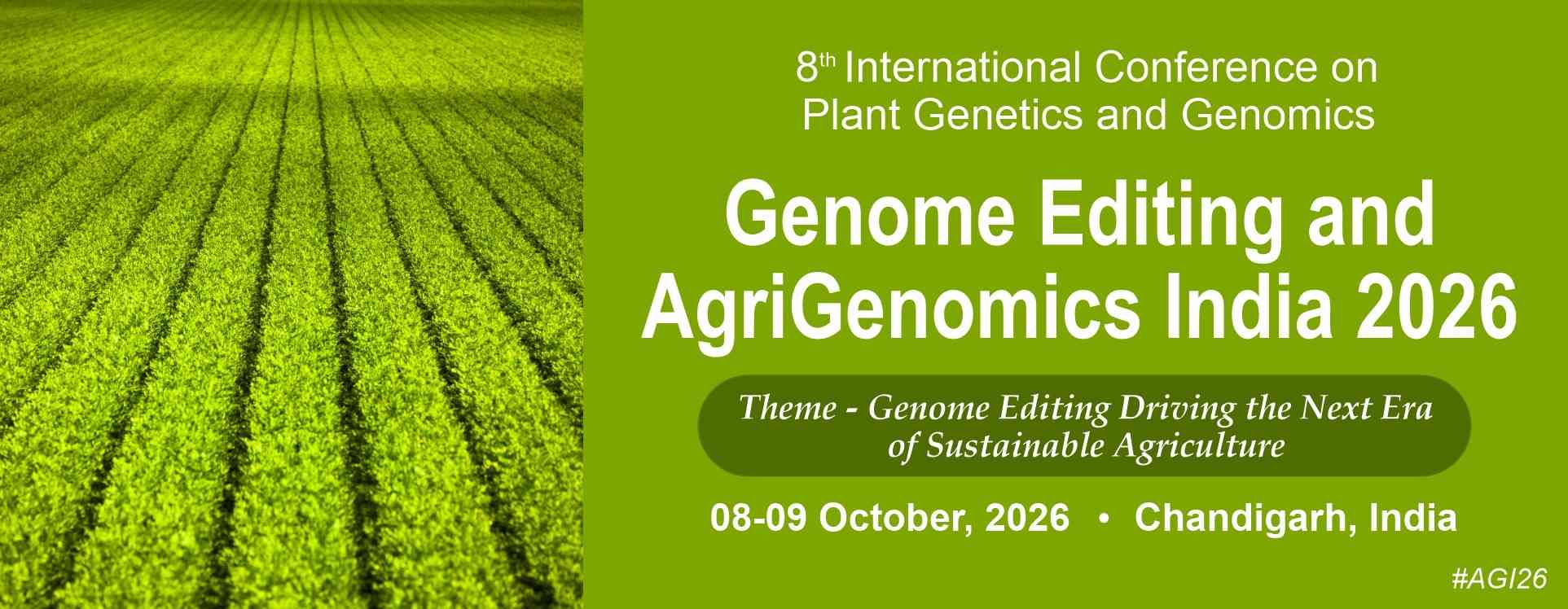
    Genome Editing and AgriGenomics India 2026

    The 8th International Conference on Plant Genetics and Genomics – Genome Editing and AgriGenomics India 2026 returns as one of Asia’s most influential gatherings for researchers advancing the future of agriculture through cutting‑edge genomic science. This two‑day Conference & Exhibition will convene global leaders in CRISPR technologies, functional genomics, computational agrigenomics, and climate‑resilient crop innovation.

    The 2026 agenda features frontier topics including Next‑Generation CRISPR‑Cas toolkits, tissue‑culture‑free transformation, genome editing for abiotic stress adaptation, AI‑driven trait discovery, CRISPR interventions for biotic stress, and regulatory science, biosafety, and agricultural biosecurity.

    The conference will host Oral Presentations and Poster Presentation Sessions, offering researchers a high‑visibility platform to showcase breakthroughs in plant genetics, genome engineering, and multi‑omics discovery.

    The AgriGenomics Exhibition will spotlight leading platforms in sequencing, phenotyping, and precision agriculture as well as reagent and consumable suppliers—including PCR, NGS, cloning, genome‑editing, plant‑tissue culture, and molecular biology reagent vendors—providing hands‑on access to the latest kits, enzymes, delivery systems, plant transformation reagents, and lab consumables.

    The conference continues its legacy as a premier forum advancing India’s leadership in plant genomics and agricultural biotechnology, fostering innovation that supports productivity, sustainability, and global food security. 

    Conference Dates

    08-10-2026 to 09-10-2026

    Call for Abstracts for Oral/Poster Presentation

    Last Date for Abstract Submission – August 20, 2026

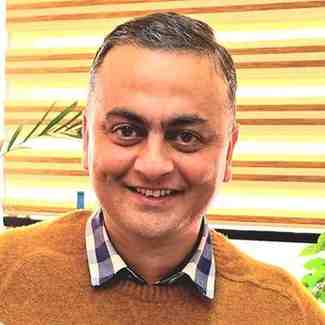
    Ajay Kumar Pandey
    Ajay Kumar Pandey
    Scientist G - BRIC-National Agri-Food and Biomanufacturing Institute, India
    Kutubuddin A Molla
    Kutubuddin A Molla
    Scientist - ICAR-NRRI, Cuttack, India
    Leena Tripathi
    Leena Tripathi
    Director - IITA, Tanzania, Africa
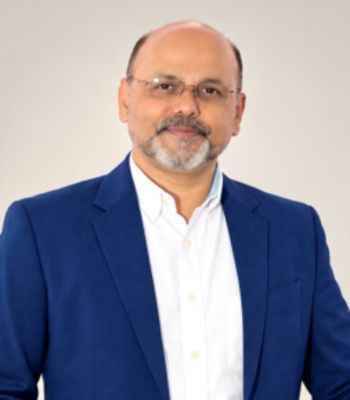
    Raman Babu
    Raman Babu
    Global Research Director- Accelerated Crop Improvement - ICRISAT, India
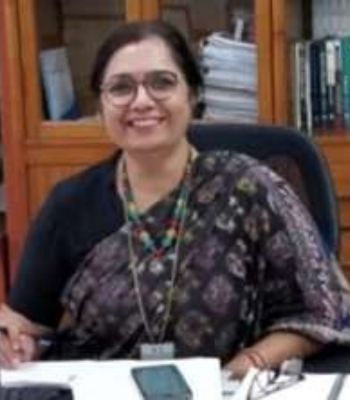
    Sanjib Kumar Panda
    Sanjib Kumar Panda
    Dean, School of Life Sciences - Central University of Rajasthan, Ajmer, India
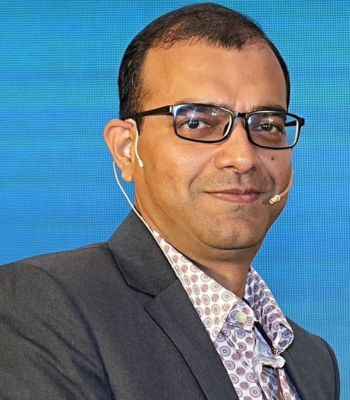
    Soham Ray
    Soham Ray
    Senior Scientist - Division of Plant Physiology, ICAR-IARI, New Delhi, India
    Tom Schreiber
    Tom Schreiber
    Dept. Cell- and Metabolic Biology - Leibniz Institute of Plant Biochemistry, Germany

    Ajay Kumar Pandey's Biography

    Ajay Kumar Pandey

    Scientist G

    BRIC-National Agri-Food and Biomanufacturing Institute

    Dr. Ajay Kumar Pandey is a Scientist-F at the National Agri-Food Biotechnology Institute (NABI), Mohali, Punjab, India. He is a plant molecular biologist with extensive expertise in functional genomics, plant nutrient homeostasis, genome editing, and crop biofortification. His research focuses on improving iron bioavailability in wheat grains through the functional characterization of genes involved in phytic acid biosynthesis, phosphate transport, iron transport, and micronutrient remobilization. 

    Dr. Pandey has made significant contributions to understanding iron-deficiency responses, phosphate allocation, inositol pyrophosphate signaling, and transporter-mediated nutrient homeostasis in wheat. His laboratory employs CRISPR-based genome editing, RNA interference, transcriptomics, gene expression profiling, and physiological approaches to develop nutritionally improved wheat germplasm. His work also explores the molecular interplay between iron and phosphate transporters during grain development. He completed his Ph.D. in Biotechnology and Environmental Sciences from Thapar Institute of Engineering and Technology, Patiala. 

    He subsequently held postdoctoral positions at Academia Sinica, Taiwan; the University of Alabama, Huntsville, USA; and Iowa State University/USDA-ARS, USA, where he worked on plant–microbe interactions, fungal stress biology, and soybean resistance to Asian soybean rust. Dr. Pandey has led and coordinated several externally funded projects supported by the Department of Biotechnology and the Department of Science and Technology, Government of India. 

    He has published extensively in leading journals, including Journal of Experimental Botany, BMC Biology, Frontiers in Plant Science, Scientific Reports, Plant Physiology and Biochemistry, and Molecular Plant-Microbe Interactions. He has also mentored doctoral students and trainees and actively contributes to institutional research governance, biosafety, and academic activities at NABI. 


    Kutubuddin A Molla's Biography

    Kutubuddin A Molla

    Scientist

    ICAR-NRRI, Cuttack

    ‣ Dr. Kutubuddin Molla is a Senior Scientist in Agricultural Biotechnology at the ICAR–Central Rice Research Institute (ICAR-CRRI), Cuttack, India. He earned his Ph.D. from the University of Calcutta and completed postdoctoral research at Pennsylvania State University as a Fulbright Fellow. 

    ‣ Dr. Molla's research focuses on precise genome editing for crop improvement, leveraging CRISPR-Cas systems, base editing, and prime editing technologies. 

    ‣ His laboratory has pioneered the development of compact TnpB-based genome-editing platforms for plants. His team also developed Plant OpenCRISPR1 (POC1), the world's first AI-designed nuclease-mediated genome-editing system for plants. 

    ‣ His contributions to genome engineering and rice improvement have been recognized through several prestigious honors, including the INSA Medal for Young Scientist. 

    ‣ He was recently elected as an INSA Associate Fellow and was selected as a Next Generation Leader by Stanford University to contribute to shaping future guidelines for responsible biotechnology at the Spirit of Asilomar Summit.


    Leena Tripathi's Biography

    Leena Tripathi

    Director

    IITA, Tanzania

    Dr. Leena Tripathi is the Director of Eastern Africa Hub, Director of Genetic Innovation and Biotechnology Program Lead at the International Institute of Tropical Agriculture (IITA), a member of One CGIAR. With more than 26 years of experience plant biotechnology, her focus lies in enhancing staple crops like banana/plantain, cassava, and yam to resist diseases and pests, crucial for global food security. 

    She champions a "Science to Practice" approach, ensuring her research translates into practical solutions worldwide. Dr. Tripathi’s scientific achievements have earned her international recognition, including election as a Fellow of the American Association for the Advancement of Science (AAAS) and the African Academy of Sciences (AAS).

    Dr. Tripathi and her team have established a robust genetic transformation platform at IITA- Kenya to develop transgenic and gene-edited products and transfer these technologies to national agricultural research systems in sub-Saharan Africa. She collaborates globally with advanced labs in the United States, United Kingdom, Europe, and Australia, as well as with national partners in Africa and various regional partners. 

    Beyond her role at IITA, Dr. Tripathi contributes to academia as an Adjunct Professor at the University of Queensland, Australia, and plays advisory roles as a member of the external advisory panel of Norwich Institute for Sustainable Development, UK, and advisory board member of Cornell Alliance for Science (AfS). She serves on the editorial boards of several journals such as Plant Biotechnology Journal, Communication Biology, and Frontiers in Genome Editing.

    Dr. Tripathi holds a Ph.D. in Plant Molecular Biology and an M.Sc. in Molecular Biology and Biotechnology. She worked at the University of North Carolina at Greensboro, USA before joining IITA. Her multidisciplinary efforts underscore her dedication to advancing agricultural biotechnology, which is crucial for addressing global food security challenges.


    Raman Babu's Biography

    Raman Babu

    Global Research Director- Accelerated Crop Improvement

    ICRISAT

    Dr. Raman Babu is the Global Research Program Director for Accelerated Crop Improvement (ACI) at ICRISAT. With over two decades of experience across ICAR (India), NIAS (Japan) CIMMYT (Mexico), and Corteva Agriscience (APAC), he brings a unique blend of public-sector purpose and industry-scale execution to crop improvement.

    Dr. Babu has been at the forefront of integrating modern breeding technologies, including genomics, doubled haploids, predictive breeding, and data-driven decision systems into product-oriented pipelines. His work has contributed to the development of nutritionally enhanced and climate-resilient crop varieties across diverse geographies.

    At ICRISAT, he leads efforts to transform crop improvement from fragmented excellence to an integrated impact engine, leveraging next-generation platforms such as Doubled Haploids, AI-enabled prediction, gene editing, and precision phenotyping to accelerate genetic gain in dryland crops.

    He is deeply committed to translating science into scalable impact, ensuring that innovations reach farmers and contribute to improved livelihoods, resilience, and nutritional security.


    Sanjib Kumar Panda's Biography

    Sanjib Kumar Panda

    Dean, School of Life Sciences

    Central University of Rajasthan, Ajmer


    Soham Ray's Biography

    Soham Ray

    Senior Scientist

    Division of Plant Physiology, ICAR-IARI, New Delhi

    Dr. Soham Ray is a Senior Scientist (Agricultural Biotechnology) in the Division of Plant Physiology at ICAR–Indian Agricultural Research Institute (IARI), New Delhi. His research focuses on plant stress biology and genome editing for the development of climate-resilient crop varieties. His recent work has centred on advancing CRISPR/Cas9 technology, including the development of an enhanced sgRNA scaffold for improving genome editing efficiency. 

    He has also developed computational tools for multiplex genome editing, including CRISP-PTG-Assembler Ver. 1.0 and MultiEdit PTG Designer 1.0, to streamline the design and assembly of polycistronic tRNA-gRNA (PTG) constructs. His broader research interests also include gene introgression from wild relatives of crop plants and understanding plant responses to individual and combined environmental stresses.

    His contributions have been recognized with the Prof. M. Udayakumar Memorial Young Scientist Award (2023) conferred by the Indian Society for Plant Physiology and the Young Scientist Award (2024) conferred by the Academy of Agricultural Science, Kalyani.


    Tom Schreiber's Biography

    Tom Schreiber

    Dept. Cell- and Metabolic Biology

    Leibniz Institute of Plant Biochemistry

    I studied Biology at Martin Luther University Halle-Wittenberg (MLU), Germany, from 2003 to 2009. I completed my diploma thesis in the laboratory of Prof. Thomas Lahaye, where I investigated transcription activator-like effector (TALE) homologs from Ralstonia solanacearum. I then pursued my PhD in the laboratory of Prof. Ulla Bonas at MLU (2010–2015), focusing on the molecular mechanisms underlying sequence-specific TALE–DNA interactions.

    In 2015, I joined the laboratory of Prof. Alain Tissier at the Leibniz Institute of Plant Biochemistry (IPB) as a postdoctoral researcher, where I worked on synthetic biology and next-generation genome editing technologies, particularly CRISPR–Cas systems. 

    Since December 2021, I have been a Staff Scientist at the IPB, and since April 2026, I have led an independent research group developing innovative genome editing technologies and strategies to manipulate endogenous DNA double-strand break repair pathways for precision genome engineering.


    Past Conference Speakers (CRISPR Construct Design)

    Kutubuddin A Molla
    Kutubuddin A Molla
    Scientist - ICAR-NRRI, Cuttack, India
    Satendra Kumar Mangrauthia
    Satendra Kumar Mangrauthia
    Senior Scientist - ICAR - IIRR, Hyderabad, India
    Sudhakar Reddy Palakolanu
    Sudhakar Reddy Palakolanu
    Scientist - Cell, Molecular Biology & Trait Engineering, ICRISAT, Hyderabad, India
    Soham Ray
    Soham Ray
    Senior Scientist - Division of Plant Physiology, ICAR-IARI, New Delhi, India
    Yogesh Taparia
    Yogesh Taparia
    CEO - PhytoBioworks Pvt Ltd, Bangalore, India
    Tom Schreiber
    Tom Schreiber
    Dept. Cell- and Metabolic Biology - Leibniz Institute of Plant Biochemistry, Germany
    Prof KC Bansal
    Prof KC Bansal
    Adjunct Professor - Murdoch University, Australia
    Viswanathan Chinnusamy
    Viswanathan Chinnusamy
    Principal Scientist - IARI, New Delhi, India
    Ashwani Pareek
    Ashwani Pareek
    Executive Director - DBT - NABI, Mohali, India

    Kutubuddin A Molla's Biography

    Kutubuddin A Molla

    Scientist

    ICAR-NRRI, Cuttack

    Prof Kutubuddin A Molla, Scientist from ICAR-NRRI Odisha, India. Dr. Molla's areas of specialization are CRISPR/Cas tools development, Precise Genome Editing, Base Editing, Genetic Engineering, Transgenesis, Host-pathogen interaction.
    His previous positions were: He was Fullbright Visiting Scholar, Plant Pathology and Environmental Microbiology, Pennsylvania State University, USA (2017-2019). He was the Scientist, Division of Genomic Resources, ICAR-National Bureau of Plant Genetic Resources, New Delhi. He has many publications and book chapters to his credit and is the recipient of many awards and recognitions.


    Satendra Kumar Mangrauthia's Biography

    Satendra Kumar Mangrauthia

    Senior Scientist

    ICAR - IIRR, Hyderabad

    Senior Scientist of Plant Biochemistry at ICAR-Indian Institute of Rice Research, Dr. Mangrauthia earned his bachelor\'s degree in Agriculture and Animal Husbandry from C.S.A. University of Agriculture & Technology Kanpur (2001); his master (2004) and doctorate degrees (2008) in Biochemistry from the Indian Agriculture Research Institute New Delhi. He did Postdoc from Purdue University, USA, and also was a visiting scientist at Heinrich Heine University Germany (2019) and at Louisiana State University USA (2020).

    He is known for his creative and path-breaking research in the area of hot-pathogen interaction, pathogen genomics, epigenetics, and molecular mechanisms of environmental stresses. His laboratory at Indian Institute of Rice Research developed diagnostic tools for identification of RTBV and RTSV viruses, genome sequencing and genes characterization of RTBV and RTSV, molecular and physiological basis of host-virus interaction, development of virus and fungal resistant plants using RNAi.

    His laboratory has also contributed to understand the fundamentals of molecular mechanisms of environmental stresses (high temperature tolerance, low P tolerance) and development and release of tolerant genetic stocks and heat tolerant rice varieties. Currently, Dr Mangrauthia is leading a research program on deployment of genome editing to create improved alleles in popular, elite, and mega rice cultivars of India. He has published 80 research papers, 18 review papers, 20 book chapters and authored 4 books. Dr. Satendra has won several grants of DST, DBT, and ICAR to carry out the research in frontier areas of plant biology. He is reviewer of many high impact journals and editor of Frontiers in Plant Science, BMC Plant Biology, Journal of Plant Biochemistry and Biotechnology, and Journal of Rice Research.


    Sudhakar Reddy Palakolanu's Biography

    Sudhakar Reddy Palakolanu

    Scientist

    Cell, Molecular Biology & Trait Engineering, ICRISAT, Hyderabad

    Dr Sudhakar Reddy Palakolanu works in the Cell, Molecular Biology & Trait Engineering Cluster (CMBTE) of the Research Program for Accelerated Crop Improvement at ICRISAT headquarters in Hyderabad,India. With over a decade of experience in molecular biology and gene research, Reddy specializes in discovering and characterizing genes associated with complex traits using advanced biotechnological techniques. Dr. Reddy\'s academic background includes a Ph.D. in Plant Molecular Biology from the International Centre for Genetic Engineering and Biotechnology (ICGEB) in New Delhi. Dr Reddy\'s expertise encompasses various aspects of plant molecular biology, functional genomics, and gene editing. Dr Reddy\\\\\\\\\\\\\\\'s primary focus involves establishing innovative technologies for dissecting and implementing traits in dryland crops. This entails using cutting-edge biotechnological tools to validate candidate genes identified through trait dissection in biological systems. His contributions have garnered recognition in the form of national awards, including the Young Scientist and Inspire Faculty awards from the Department of Science and Technology (DST), Government of India. Additionally, Dr Reddy received a prestigious Postdoctoral Fellowship from the German Academic Exchange Service (DAAD), allowing him to conduct research in Germany. His prolific research output comprises over 50 research articles, eight book chapters, two books, and two patents. Dr Reddy also serves as a reviewer for esteemed international journals such as Trends in Plant Science, Frontiers in Plant Science and BMC Plant Biology.


    Soham Ray's Biography

    Soham Ray

    Senior Scientist

    Division of Plant Physiology, ICAR-IARI, New Delhi

    Dr. Soham Ray is a Senior Scientist (Agricultural Biotechnology) in the Division of Plant Physiology at ICAR–Indian Agricultural Research Institute (IARI), New Delhi. His research focuses on plant stress biology and genome editing for the development of climate-resilient crop varieties. His recent work has centred on advancing CRISPR/Cas9 technology, including the development of an enhanced sgRNA scaffold for improving genome editing efficiency. 

    He has also developed computational tools for multiplex genome editing, including CRISP-PTG-Assembler Ver. 1.0 and MultiEdit PTG Designer 1.0, to streamline the design and assembly of polycistronic tRNA-gRNA (PTG) constructs. His broader research interests also include gene introgression from wild relatives of crop plants and understanding plant responses to individual and combined environmental stresses.

    His contributions have been recognized with the Prof. M. Udayakumar Memorial Young Scientist Award (2023) conferred by the Indian Society for Plant Physiology and the Young Scientist Award (2024) conferred by the Academy of Agricultural Science, Kalyani.


    Yogesh Taparia's Biography

    Yogesh Taparia

    CEO

    PhytoBioworks Pvt Ltd, Bangalore

    Dr Yogesh Taparia is currently the co founder of PhytoBioworks Pvt Ltd which is involved in crop improvement research. His expertise in cloning and transformation has been honed during his stint with the Genetic Discovery division at Corteva. He has extensive experience in transformation of commercial crops and model plant systems.


    Tom Schreiber's Biography

    Tom Schreiber

    Dept. Cell- and Metabolic Biology

    Leibniz Institute of Plant Biochemistry

    I studied Biology at Martin Luther University Halle-Wittenberg (MLU), Germany, from 2003 to 2009. I completed my diploma thesis in the laboratory of Prof. Thomas Lahaye, where I investigated transcription activator-like effector (TALE) homologs from Ralstonia solanacearum. I then pursued my PhD in the laboratory of Prof. Ulla Bonas at MLU (2010–2015), focusing on the molecular mechanisms underlying sequence-specific TALE–DNA interactions.

    In 2015, I joined the laboratory of Prof. Alain Tissier at the Leibniz Institute of Plant Biochemistry (IPB) as a postdoctoral researcher, where I worked on synthetic biology and next-generation genome editing technologies, particularly CRISPR–Cas systems. 

    Since December 2021, I have been a Staff Scientist at the IPB, and since April 2026, I have led an independent research group developing innovative genome editing technologies and strategies to manipulate endogenous DNA double-strand break repair pathways for precision genome engineering.


    Prof KC Bansal's Biography

    Prof KC Bansal

    Adjunct Professor

    Murdoch University

    Professor KC Bansal is a former Director of the National Bureau of Plant Genetic Resources, Indian Council of Agricultural Research (ICAR), New Delhi. He also spearheaded the National Transgenic Crop Network across various ICAR research institutions.
    His research interests include functional genomics and transgenic development for abiotic stress tolerance in plants; developed the first series of transgenic crops with improved tolerance to drought and salt stress. His work on functional characterization of LEA, MYB, sHSP and osmotin gene is well known. The first ABA receptor gene OsPYL10 from an Indian drought tolerant rice landrace was cloned by his lab.
    He took an unprecedented initiative to evaluate the entire wheat germplasm (~ 22000 accessions) conserved at the Indian National Genebank, and identified trait-specific reference sets.
    Prof. Bansal served as Vice-Chair (Asia), Commission on Genetic Resources for Food and Agriculture, FAO, United Nations (2013-15). He is recipient of the Indian Science Congress award conferred on him by the Prime Minister of India, and the Haryana Vigyan Ratna (Highest State Science award).
    Prof. Bansal is elected Fellow of the National Academy of Agricultural Sciences, and the National Academy of Science, India. He serves on the Editorial Board of the Plant Biotechnology Journal.


    Viswanathan Chinnusamy's Biography

    Viswanathan Chinnusamy

    Principal Scientist

    IARI, New Delhi

    Dr. C Viswanathan, Principal Scientist & Head, Indian Agricultural Research Institute, New Delhi, India, heading Division of Plant Physiology currently. His international experience includes various programs, contributions and participation in different countries for diverse fields of study.  His research interests reflect in his wide range of publications in various national and international journals.He has been awarded by  ICAR Jawaharlal Nehru Award, DST BOYSCAST Fellowship Award,ISPP J.J. Chinoy Gold Medal.


    Ashwani Pareek's Biography

    Ashwani Pareek

    Executive Director

    DBT - NABI, Mohali


    Conference Agenda

    • Next-Generation CRISPR-Cas Toolkits & Precision Editing Mechanisms
    • Advanced Intracellular Delivery & Tissue Culture-Free Transformation
    • Genomics and Genome Editing for Climate Resilience & Abiotic Stress Adaptation
    • AI, Machine Learning & Computational AgriGenomics
    • Functional Genomics & CRISPR Interventions for Biotic Stress and Crop Quality Traits
    • Regulatory Science, Biosafety Protocols, and Agricultural Biosecurity

    Agenda Topics for AgriGenomics India 2026

    • Next-Generation CRISPR-Cas Toolkits & Precision Editing Mechanisms
      • Novel Nuclease Engineering: Computational design and experimental validation of hyper-precise Cas9, Cas12a, and Cas12f variants optimized for plant systems.
      • Directed Evolution in Plants: Utilizing engineered platforms to evolve endogenous plant proteins for herbicide tolerance and metabolic diversification.
      • Multiplex & Epigenome Editing: Simultaneous targeting of multi-gene families and CRISPR-mediated transcriptional activation/repression (CRISPRa/CRISPRi) of complex molecular pathways.
      • Base & Prime Editing Foundations: Mechanistic optimization of single-nucleotide transitions/transversions and precise micro-insertions without double-stranded DNA breaks.
    • Advanced Intracellular Delivery & Tissue Culture-Free Transformation
      • Viral Vector Systems: Utilizing modified plant viruses for transient, high-efficiency delivery of genome editing reagents.
      • Bypassing Tissue Culture Bottlenecks: Pollen-magnetofection, apical meristem transformation, and de novo meristem induction for regeneration-recalcitrant Indian crop varieties.
      • Ribonucleoprotein (RNP) Transfection: Optimizing exogenous DNA-free editing using pre-assembled Cas-gRNA complexes to achieve purely transgene-free lineages.
      • Nanomaterial-Mediated Delivery: Development of carbon nanotubes, mesoporous silica, and polymeric nanoparticles for targeted biomolecule delivery.
    • Genomics and Genome Editing for Climate Resilience & Abiotic Stress Adaptation
      • Low-Carbon Agrigenomics: Deciphering and editing plant-root exudate genetic profiles to suppress methanogenic microbes in paddy ecosystems.
      • Nutrient & Water Use Efficiency (NUE/WUE): Genetic and epigenetic interventions to optimize nitrogen assimilation, phosphorus solubilization, and transpiration efficiency.
      • Root Architecture Remodeling: Functional genomics of root system architecture (RSA) traits to optimize nutrient uptake and water scavenging in compact or depleted soils.
      • Salinity & Waterlogging Dynamics: Characterization of ion transporters (HKT, NHX) and flooding-response genes via Genome-Wide Association Studies (GWAS) and targeted allele editing.
      • Drought & Thermal Stress Signaling: Dissecting the molecular mechanisms of ABA-dependent/independent pathways and CRISPR-targeting of negative regulators (e.g., transcription factors like NAC, MYB, and DREB).
    • AI, Machine Learning & Computational AgriGenomics
      • Predictive Breeding Models: Utilizing deep learning and machine learning algorithms to integrate multi-omics datasets (genomics, transcriptomics, metabolomics) for genomic selection.
      • Digital Phenotyping Integration: Merging high-throughput image-based phenotyping (UAV/Hyperspectral) with genomic sequence data using computer vision networks.
      • Pan-Genomics & Graph Genomes: Constructing high-resolution graph genomes of Indian crop landraces and wild relatives to identify hidden climate-resilient alleles.
      • AI-Optimized gRNA Design: Developing predictive computational pipelines to maximize on-target cleavage efficiency and eliminate off-target mutations in highly repetitive polyploid crop genomes.
    • Functional Genomics & CRISPR Interventions for Biotic Stress and Crop Quality Traits
      • Post-Harvest Physiology Modulation: Knocking out or repressing ethylene biosynthesis and cell-wall degradation genes to extend the shelf-life of perishable horticultural crops.
      • Legume Protein Optimization: Genetic strategies to minimize anti-nutritional factors (such as phytic acid, lectins, and oligosaccharides) while enhancing core amino acid profiles in pulses.
      • Micronutrient & Metabolic Pathway Engineering: Multiplex CRISPR editing to enhance bioavailable iron, zinc, and vitamins in staple cereal, oilseed, and millet genomes.
      • Insect-Pest Deterrence Pathways: Modulating plant endogenous secondary metabolite profiles via CRISPR to disrupt pest feeding and reproductive cycles.
      • Host-Pathogen Interactomics & Immunity: Multi-omics mapping of infection cross-talk, RNA-targeting CRISPR systems (Cas13) against viral pathogens, and knocking out host susceptibility (S) genes for fungal/bacterial resistance.
    • Regulatory Science, Biosafety Protocols, and Agricultural Biosecurity
      • IPR, Access and Benefit Sharing (ABS): Managing compliance with India's National Biodiversity Authority (NBA), patenting gene-edited traits, and creating public-good patent pooling frameworks.
      • Agricultural Biosecurity & Dual-Use Research: Developing containment protocols, addressing genetic confinement risks (e.g., gene drive oversight), and preventing unintended genetic leakage into wild relatives.
      • Off-Target Profiling & Genomic Integrity: Deploying Whole Genome Sequencing (WGS), high-throughput amplicon sequencing, and biosafety audits to validate transgene-free edited lines.
      • SDN-1 and SDN-2 Regulatory Pathways: Navigating the updated Indian Department of Biotechnology (DBT), RCGM, and Institutional Biosafety Committee (IBSC) approval frameworks for genome-edited crops.

    Who should attend

    • Plant Biotechnology Scientists
    • Genome Editing & Transformation Researchers
    • AI, Machine Learning & Computational AgriGenomics Professionals
    • Agricultural & Crop Biotechnology Experts
    • Academic Faculty, Postdocs & Research Scholars
    • Reagent, Consumable & Lab Technology Providers

    Who should attend

    • Plant Biotechnology Scientists

      Professionals from academia and industry working across:
      • Plant genetics, genomics, and molecular breeding
      • Functional genomics, transcriptomics, metabolomics, and epigenomics
      • Crop improvement, trait discovery, and climate‑resilient agriculture
      • Plant–microbe interactions, disease resistance, and stress biology
      • Genome sequencing, pangenomics, and haplotype analysis

    • Genome Editing & Transformation Researchers

      Experts advancing next‑generation editing and transformation systems:
      • CRISPR‑Cas toolkits, base editing, prime editing
      • TALENs, ZFNs, and precision gene‑targeting platforms
      • Tissue‑culture‑free transformation, delivery systems, and regeneration
         technologies
      • High‑throughput screening and trait‑validation workflows

    • AI, Machine Learning & Computational AgriGenomics Professionals

      Specialists applying computational intelligence to plant science:
      • AI‑driven trait prediction and genomic selection
      • Machine‑learning models for stress adaptation and phenotype forecasting
      • Deep‑learning pipelines for image‑based phenotyping
      • Computational genomics, predictive biology, and algorithm development

    • Agricultural & Crop Biotechnology Experts

      Professionals focused on translating genomics into field‑ready solutions:
      • GM crop developers and trait‑engineering teams
      • Agronomists integrating genomic tools into crop management
      • Crop protection and plant health researchers
      • Seed R&D and trait‑stacking specialists

    • Academic Faculty, Postdocs & Research Scholars

      Senior researchers and emerging scientists working on:
      • Plant molecular biology
      • Genomic technologies
      • Crop improvement
      • Systems biology
      • Translational plant science

    • Reagent, Consumable & Lab Technology Providers

      Vendors supplying essential tools for plant genomics and genome editing (excluding bioinformatics and large multinationals):
      • PCR, qPCR, and NGS reagent manufacturers
      • CRISPR kits, cloning systems, and molecular biology enzymes
      • Plant‑tissue culture media, hormones, and transformation reagents
      • Lab consumables, plastics, and workflow‑enabling accessories

    Conference Officials
    Sanjay Bajaj

    Convenor

    Email: s.bajaj@glostem.com

    Mob.: +91-7696525050

    Farheen Zainab

    Organizing Secretary

    Email: f.zainab@glostem.com

    Mob.: +91-7696425050

    Tavleen Thakur

    Technical Manager

    Email: t.thakur@glostem.com

    Mob.: +91-7696125050

    Aditya Sharma

    Conference Manager

    Email: a.sharma@glostem.com

    Mob.: +91-7696025050

    Prerna Bisht

    Technical Officer

    Email: p.bisht@glostem.com

    Mob.: +91-

    WhatsApp: 9041725050

    Upcoming Conferences

    AI, and ML in Pharmaceutical R&D and Manufacturing Workflows
    9 Sep, 2026

    Industrial Flow Chemistry Bootcamp

    Details
    AI, and ML in Pharmaceutical R&D and Manufacturing Workflows
    10 - 11 Sep, 2026

    FCI 2026

    Details
    AI, and ML in Pharmaceutical R&D and Manufacturing Workflows
    8 - 9 Oct, 2026

    AgriGenomics India 2026

    Details
    AI, and ML in Pharmaceutical R&D and Manufacturing Workflows
    19 - 20 Nov, 2026

    Complex Generics 2026

    Details
    AI, and ML in Pharmaceutical R&D and Manufacturing Workflows
    26 - 28 Nov, 2026

    One Health Conference 2026

    Details

    Speakers & Panelists

    Kutubuddin A Molla

    Kutubuddin A Molla's Biography

    Kutubuddin A Molla

    Scientist

    ICAR-NRRI, Cuttack

    ‣ Dr. Kutubuddin Molla is a Senior Scientist in Agricultural Biotechnology at the ICAR–Central Rice Research Institute (ICAR-CRRI), Cuttack, India. He earned his Ph.D. from the University of Calcutta and completed postdoctoral research at Pennsylvania State University as a Fulbright Fellow. 

    ‣ Dr. Molla's research focuses on precise genome editing for crop improvement, leveraging CRISPR-Cas systems, base editing, and prime editing technologies. 

    ‣ His laboratory has pioneered the development of compact TnpB-based genome-editing platforms for plants. His team also developed Plant OpenCRISPR1 (POC1), the world's first AI-designed nuclease-mediated genome-editing system for plants. 

    ‣ His contributions to genome engineering and rice improvement have been recognized through several prestigious honors, including the INSA Medal for Young Scientist. 

    ‣ He was recently elected as an INSA Associate Fellow and was selected as a Next Generation Leader by Stanford University to contribute to shaping future guidelines for responsible biotechnology at the Spirit of Asilomar Summit.


    Scientist,  ICAR-NRRI, Cuttack,
    India

    Ajay Kumar Pandey

    Ajay Kumar Pandey's Biography

    Ajay Kumar Pandey

    Scientist G

    BRIC-National Agri-Food and Biomanufacturing Institute

    Dr. Ajay Kumar Pandey is a Scientist-F at the National Agri-Food Biotechnology Institute (NABI), Mohali, Punjab, India. He is a plant molecular biologist with extensive expertise in functional genomics, plant nutrient homeostasis, genome editing, and crop biofortification. His research focuses on improving iron bioavailability in wheat grains through the functional characterization of genes involved in phytic acid biosynthesis, phosphate transport, iron transport, and micronutrient remobilization. 

    Dr. Pandey has made significant contributions to understanding iron-deficiency responses, phosphate allocation, inositol pyrophosphate signaling, and transporter-mediated nutrient homeostasis in wheat. His laboratory employs CRISPR-based genome editing, RNA interference, transcriptomics, gene expression profiling, and physiological approaches to develop nutritionally improved wheat germplasm. His work also explores the molecular interplay between iron and phosphate transporters during grain development. He completed his Ph.D. in Biotechnology and Environmental Sciences from Thapar Institute of Engineering and Technology, Patiala. 

    He subsequently held postdoctoral positions at Academia Sinica, Taiwan; the University of Alabama, Huntsville, USA; and Iowa State University/USDA-ARS, USA, where he worked on plant–microbe interactions, fungal stress biology, and soybean resistance to Asian soybean rust. Dr. Pandey has led and coordinated several externally funded projects supported by the Department of Biotechnology and the Department of Science and Technology, Government of India. 

    He has published extensively in leading journals, including Journal of Experimental Botany, BMC Biology, Frontiers in Plant Science, Scientific Reports, Plant Physiology and Biochemistry, and Molecular Plant-Microbe Interactions. He has also mentored doctoral students and trainees and actively contributes to institutional research governance, biosafety, and academic activities at NABI. 


    Scientist G,  BRIC-National Agri-Food and Biomanufacturing Institute,
    India

    Soham Ray

    Soham Ray's Biography

    Soham Ray

    Senior Scientist

    Division of Plant Physiology, ICAR-IARI, New Delhi

    Dr. Soham Ray is a Senior Scientist (Agricultural Biotechnology) in the Division of Plant Physiology at ICAR–Indian Agricultural Research Institute (IARI), New Delhi. His research focuses on plant stress biology and genome editing for the development of climate-resilient crop varieties. His recent work has centred on advancing CRISPR/Cas9 technology, including the development of an enhanced sgRNA scaffold for improving genome editing efficiency. 

    He has also developed computational tools for multiplex genome editing, including CRISP-PTG-Assembler Ver. 1.0 and MultiEdit PTG Designer 1.0, to streamline the design and assembly of polycistronic tRNA-gRNA (PTG) constructs. His broader research interests also include gene introgression from wild relatives of crop plants and understanding plant responses to individual and combined environmental stresses.

    His contributions have been recognized with the Prof. M. Udayakumar Memorial Young Scientist Award (2023) conferred by the Indian Society for Plant Physiology and the Young Scientist Award (2024) conferred by the Academy of Agricultural Science, Kalyani.


    Senior Scientist,  Division of Plant Physiology, ICAR-IARI, New Delhi,
    India

    Leena Tripathi

    Leena Tripathi's Biography

    Leena Tripathi

    Director

    IITA, Tanzania

    Dr. Leena Tripathi is the Director of Eastern Africa Hub, Director of Genetic Innovation and Biotechnology Program Lead at the International Institute of Tropical Agriculture (IITA), a member of One CGIAR. With more than 26 years of experience plant biotechnology, her focus lies in enhancing staple crops like banana/plantain, cassava, and yam to resist diseases and pests, crucial for global food security. 

    She champions a "Science to Practice" approach, ensuring her research translates into practical solutions worldwide. Dr. Tripathi’s scientific achievements have earned her international recognition, including election as a Fellow of the American Association for the Advancement of Science (AAAS) and the African Academy of Sciences (AAS).

    Dr. Tripathi and her team have established a robust genetic transformation platform at IITA- Kenya to develop transgenic and gene-edited products and transfer these technologies to national agricultural research systems in sub-Saharan Africa. She collaborates globally with advanced labs in the United States, United Kingdom, Europe, and Australia, as well as with national partners in Africa and various regional partners. 

    Beyond her role at IITA, Dr. Tripathi contributes to academia as an Adjunct Professor at the University of Queensland, Australia, and plays advisory roles as a member of the external advisory panel of Norwich Institute for Sustainable Development, UK, and advisory board member of Cornell Alliance for Science (AfS). She serves on the editorial boards of several journals such as Plant Biotechnology Journal, Communication Biology, and Frontiers in Genome Editing.

    Dr. Tripathi holds a Ph.D. in Plant Molecular Biology and an M.Sc. in Molecular Biology and Biotechnology. She worked at the University of North Carolina at Greensboro, USA before joining IITA. Her multidisciplinary efforts underscore her dedication to advancing agricultural biotechnology, which is crucial for addressing global food security challenges.


    Director,  IITA, Tanzania,
    Africa

    Raman Babu

    Raman Babu's Biography

    Raman Babu

    Global Research Director- Accelerated Crop Improvement

    ICRISAT

    Dr. Raman Babu is the Global Research Program Director for Accelerated Crop Improvement (ACI) at ICRISAT. With over two decades of experience across ICAR (India), NIAS (Japan) CIMMYT (Mexico), and Corteva Agriscience (APAC), he brings a unique blend of public-sector purpose and industry-scale execution to crop improvement.

    Dr. Babu has been at the forefront of integrating modern breeding technologies, including genomics, doubled haploids, predictive breeding, and data-driven decision systems into product-oriented pipelines. His work has contributed to the development of nutritionally enhanced and climate-resilient crop varieties across diverse geographies.

    At ICRISAT, he leads efforts to transform crop improvement from fragmented excellence to an integrated impact engine, leveraging next-generation platforms such as Doubled Haploids, AI-enabled prediction, gene editing, and precision phenotyping to accelerate genetic gain in dryland crops.

    He is deeply committed to translating science into scalable impact, ensuring that innovations reach farmers and contribute to improved livelihoods, resilience, and nutritional security.


    Global Research Director- Accelerated Crop Improvement,  ICRISAT,
    India

    Tom Schreiber

    Tom Schreiber's Biography

    Tom Schreiber

    Dept. Cell- and Metabolic Biology

    Leibniz Institute of Plant Biochemistry

    I studied Biology at Martin Luther University Halle-Wittenberg (MLU), Germany, from 2003 to 2009. I completed my diploma thesis in the laboratory of Prof. Thomas Lahaye, where I investigated transcription activator-like effector (TALE) homologs from Ralstonia solanacearum. I then pursued my PhD in the laboratory of Prof. Ulla Bonas at MLU (2010–2015), focusing on the molecular mechanisms underlying sequence-specific TALE–DNA interactions.

    In 2015, I joined the laboratory of Prof. Alain Tissier at the Leibniz Institute of Plant Biochemistry (IPB) as a postdoctoral researcher, where I worked on synthetic biology and next-generation genome editing technologies, particularly CRISPR–Cas systems. 

    Since December 2021, I have been a Staff Scientist at the IPB, and since April 2026, I have led an independent research group developing innovative genome editing technologies and strategies to manipulate endogenous DNA double-strand break repair pathways for precision genome engineering.


    Dept. Cell- and Metabolic Biology,  Leibniz Institute of Plant Biochemistry,
    Germany

    Sanjib Kumar Panda

    Sanjib Kumar Panda's Biography

    Sanjib Kumar Panda

    Dean, School of Life Sciences

    Central University of Rajasthan, Ajmer


    Dean, School of Life Sciences,  Central University of Rajasthan, Ajmer,
    India

    Venue

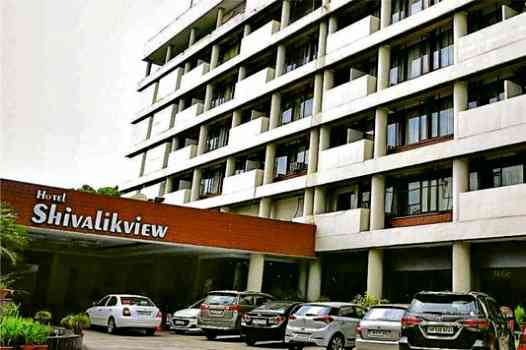
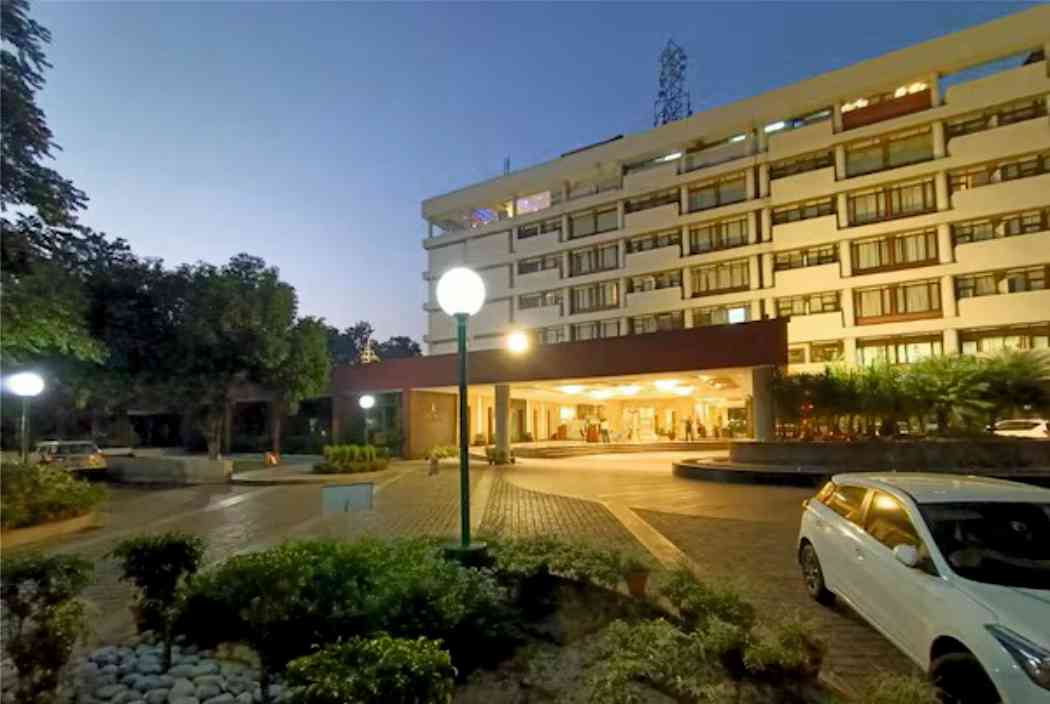
    Hotel Shivalikview

    Address: SCO 121-122, 17B, Sector 17, Chandigarh, 160017
    Vist venue website  

    View on Map

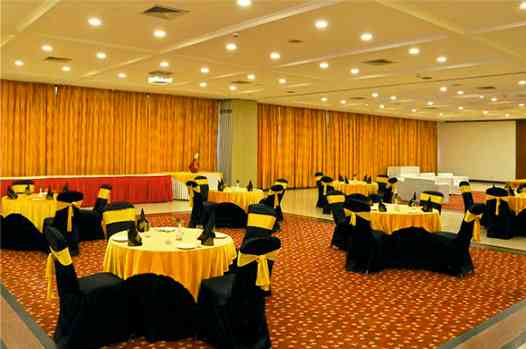
    Hotel Shivalikview, located within city’s hub of business, shopping and entertainment in Sector – 17, offers a stylish, intimate base for business experience as well as exploring the attractions & tourist spots of the “City Beautiful”. The hotel is a 25 minutes’ drive from the Airport and 15 minutes’ from the Railway Station and is a walking distance from Inter-state bus terminus. An ideal destination for organizing meetings, conventions and exhibitions with a focus on MICE with unmatched personalized services which add to the inherent warmth. The hotel is reputed for impeccable standards of services and luxury.

    Call for Sponsorship

    The 8th International Conference on Plant Genetics & Genomics – Genome Editing & AgriGenomics India 2026 invites leading organizations, technology innovators, reagent manufacturers, and solution providers to partner with us as Sponsors for this prestigious global gathering.

    This conference brings together top experts in CRISPR genome editing, functional genomics, AI‑driven agrigenomics, and next‑generation crop innovation, offering sponsors unparalleled visibility among decision‑makers, researchers, and industry leaders shaping the future of agriculture.

    Sponsorship provides a powerful platform to:

    • Showcase your technologies, reagents, and solutions to a highly targeted scientific audience
    • Engage directly with researchers, seed companies, agribiotech innovators, and R&D teams
    • Strengthen brand presence through on‑site branding, digital promotion, and exhibition opportunities
    • Launch new products, demonstrate workflows, and build strategic partnerships
    • Support scientific advancement in plant genomics, genome editing, and sustainable agriculture

    The event features a vibrant AgriGenomics Exhibition, highlighting reagent suppliers, molecular biology consumables, CRISPR kits, cloning systems, plant‑tissue culture solutions, transformation reagents, and lab‑workflow essentials (excluding large multinationals and bioinformatics vendors).

    We welcome Platinum, Gold, Silver, and Exhibition‑Only Sponsorships, each designed to maximize engagement and visibility.

    Call for Abstracts

    The Organising Committee warmly invites researchers, early‑career scientists, industry R&D teams, and AI professionals working at the intersection of plant science and computational biology to submit original research contributions for the Conference & Exhibition “AgriGenomics India 2026.” The work should be of high relevance to the fields of plant genetics and genomics.

    This year’s conference highlights frontier advances in CRISPR technologies, functional genomics, AI‑driven agrigenomics, and next‑generation crop innovation. 

    Accepted abstracts will be featured in Oral Sessions or Poster Sessions, providing global visibility to emerging research and innovations.

    Awards for Excellence

    The Best Poster Award will be announced during the conference valedictory session.
    All presenters must complete conference registration. Registered presenters will receive an official Certificate of Poster Presentation. Faculty members may present their research but are not eligible for award evaluation.

    Submission Guidelines

    Format: Plain text to be submitted online only on this page.
    Word Limit: Maximum 200 words (excluding title and author affiliations).
    Structure: Must include Objective, Methodology, Key Results, and Conclusion in a single paragraph.
    Originality: Submissions must represent original work done by the presenter individually or should be a part of the team, which has done work in association with the industry.

    Abstract Submission Topics

    • Next Generation CRISPR Cas Toolkits & precision editing
    • Tissue culture free transformation & advanced intracellular delivery
    • Genomics for climate resilience & abiotic stress adaptation
    • AI, Machine Learning & Computational AgriGenomics
    • CRISPR interventions for biotic stress, nutrition & crop quality traits
    • Regulatory science, biosafety frameworks & agricultural biosecurity
    Submit Now

    Abstract Submission (* is a required field.)

    Name of Conference: AgriGenomics India 2026

    Presenting Author

    Address

    Attachment

    Registration Categories

    Registration

    Register Now
    Category Currency Base Fee GST / Tax % Total (incl.)
    Students and Research Scholars till August 31
    INR ₹3,500.00 18% ₹4,130.00
    Faculty and Academic Scientists till August 31
    INR ₹6,500.00 18% ₹7,670.00
    Industry Scientists till August 31
    INR ₹10,000.00 18% ₹11,800.00
    Business Delegates from Industry till August 31
    INR ₹15,000.00 18% ₹17,700.00
    Overseas Academic Delegates from US
    USD $200.00 18% $236.00
    Overseas Academic Delegates from Europe
    EUR €200.00 18% €236.00
    Overseas Industry Delegates from US
    USD $500.00 18% $590.00
    Overseas Industry Delegates from Europe
    EUR €500.00 18% €590.00
    Students and Research Scholars after August 31
    INR ₹4,250.00 18% ₹5,015.00
    Faculty and Academic Scientists after August 31
    INR ₹7,500.00 18% ₹8,850.00
    Business Delegates from Industry after August 31
    INR ₹17,500.00 18% ₹20,650.00
    Industry Scientists after August 31
    INR ₹12,000.00 18% ₹14,160.00
    Proceed to Registration

    Menu

    • Home
    • About Us
    • Company Profile
    • Contact Us

    Contact Us

    Unit 21, Level 2, Berkeley Square, Plot No 24, Industrial & Business Park, Phase I, Chandigarh 160002, India

    events@glostem.in

    +91 172 5025050, 9041725050

    • Privacy Policy
    • Terms & Conditions
    • Cancellation & Refund Policy
    © Copyright 2025 Glostem Private Limited. All rights reserved.
    Site Created & Maintained by Digilinkers