Catalyst & Solvent - Strategies for Efficient & Scalable Industrial Chemistry
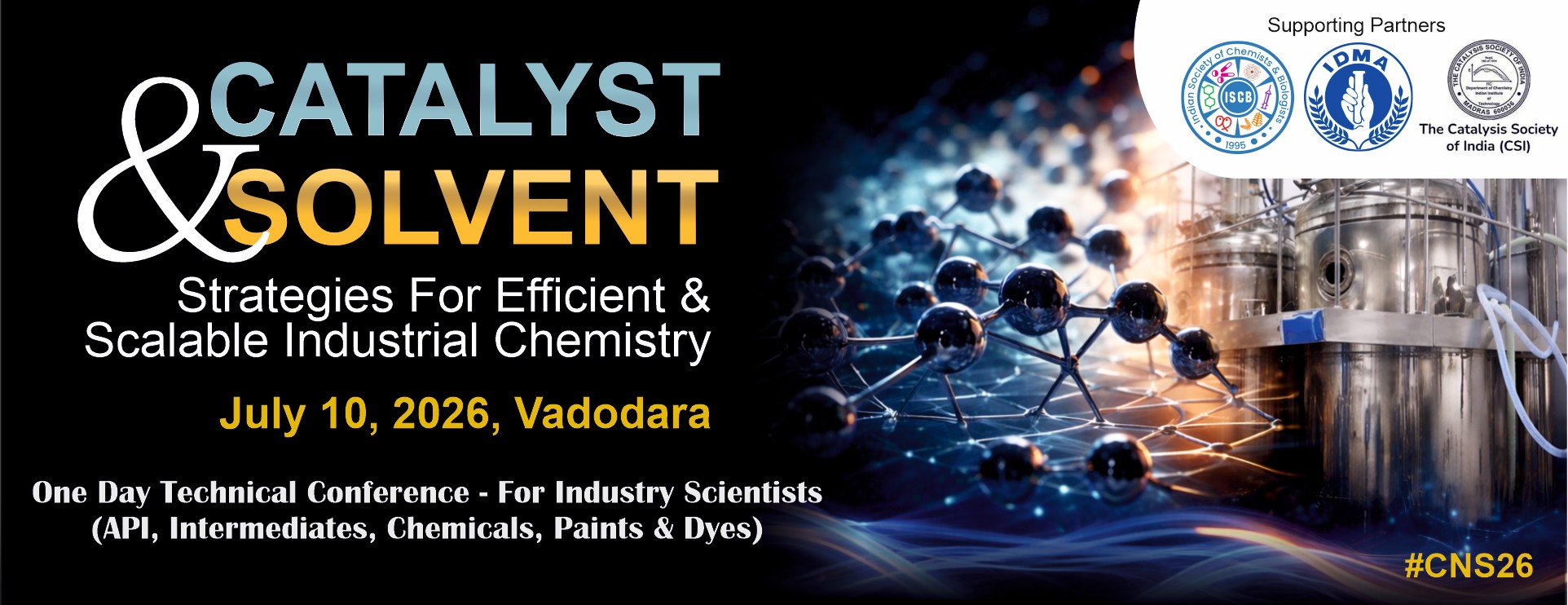
Welcome to the "Catalyst & Solvent - Strategies for Efficient & Scalable Industrial Chemistry" technical conference and exhibition, the premier gathering for scientists in India’s API, intermediates, and specialty chemical sectors. As global regulatory landscapes tighten and the push for sustainability intensifies, the strategic selection of solvents and catalysts has emerged as the most critical lever for maintaining industrial competitiveness.
Scheduled for July 10, 2026, in Vadodara, this intensive one-day program moves beyond theoretical chemistry to solve the "pain points" of modern manufacturing.
Our technical sessions explore the cutting edge of biocatalysis, green solvent swaps (Class 2 to Class 3), and the critical role of solvent selection in controlling API polymorphism. By bridging the gap between mechanistic research and plant-floor reality, this conference offers actionable insights into improving Turnover Numbers (TON) and designing circular solvent recovery systems.
Join industry leaders and R&D experts as we chart India’s roadmap for green chemistry and smarter reaction engineering.
Please note that photography/videography of the scientific contents presented at the conference is strictly prohibited. We will share the presentations with the delegates only if provided and allowed by the respective speakers.
Conference Date
10-07-2026
Last date for abstract submission: June 15, 2026
Last Date for Registration for Poster Presentation: June 21, 2026

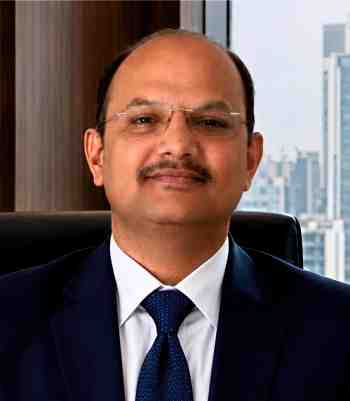
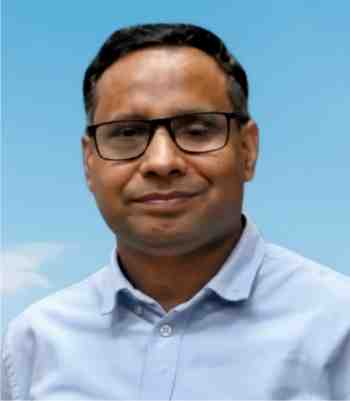
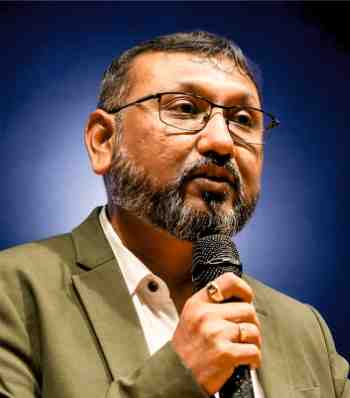
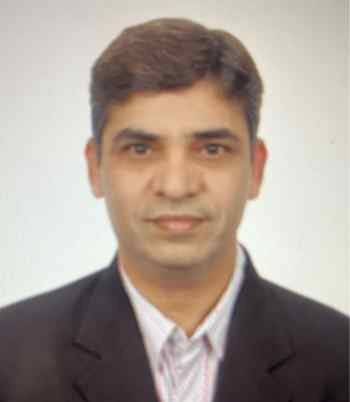
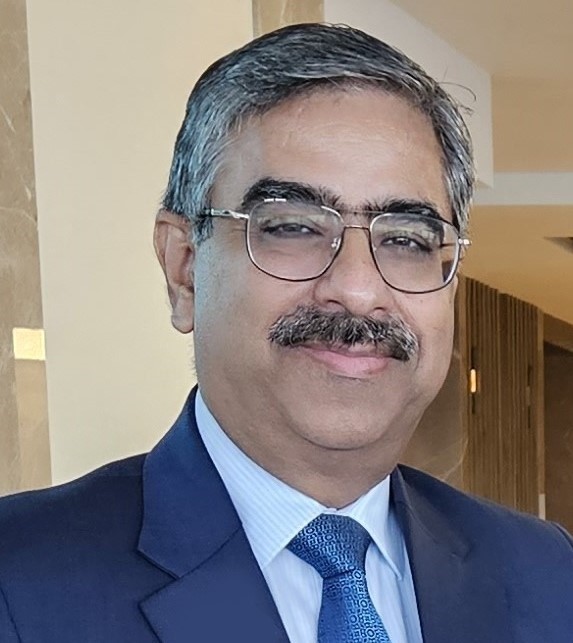
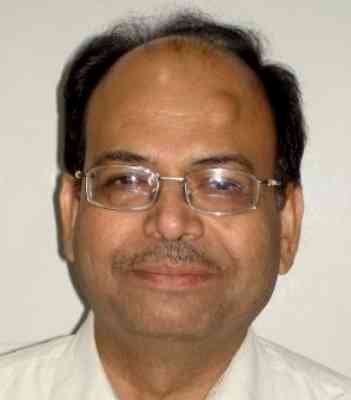
Raksh Vir Jasra's Biography
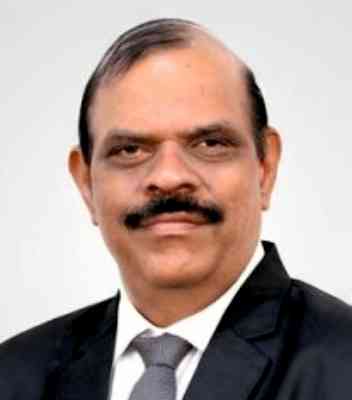
Dr. Raksh Vir Jasra is a highly accomplished scientist and industrial research leader, currently serving as Senior Vice President & Head, R&D Centre, Reliance Industries Limited (RIL), Vadodara, India. He is also an Adjunct Professor at RMIT University, Melbourne, Australia, and holds honorary academic positions with IAR University, Gandhinagar and the Centre for Nanotechnology, IIT Guwahati, reflecting his strong engagement with global research and academic collaborations.Dr. Jasra earned his M.Sc. in Chemistry from Delhi University (1976) and completed his Ph.D. in Physical Chemistry from IIT Delhi (1981). He further advanced his expertise through a Post-Doctoral Fellowship at Imperial College London, UK (1989–1990). His core areas of specialization include catalysis for chemical and petrochemical processes, adsorptive separation of gases and hydrocarbons, and the development of advanced nanomaterials, including nano metal particles, nanoporous solids, and nanocomposites. He is also recognized for his exceptional R&D leadership, with nearly three decades of experience in managing large multidisciplinary research teams.
Dr. Jasra has an outstanding record of innovation and industrial impact, having contributed to the development of 67 chemical processes, including 28 commercialized technologies and 27 pilot-scale developments. He has published 343 peer-reviewed research articles and holds an impressive portfolio of 329 granted patents, including 68 US patents and 152 Indian patents. His research impact is widely acknowledged with 15,000+ citations, an h-index of 62, and an i10-index of 234 (Google Scholar). He has also mentored 27 Ph.D. scholars and 14 postgraduate students. Recognized globally for his scientific contributions, Dr. Jasra has been featured in Stanford University’s Top 2% Scientists in the World list since 2020 and has received several prestigious honors, including Lifetime Achievement Awards, the Vasvik Award, and multiple national awards for technology innovation. He has delivered 200+ invited lectures, authored 950+ industrial technical reports, and served on national advisory committees for organizations such as CSIR, DST, and MHRD.
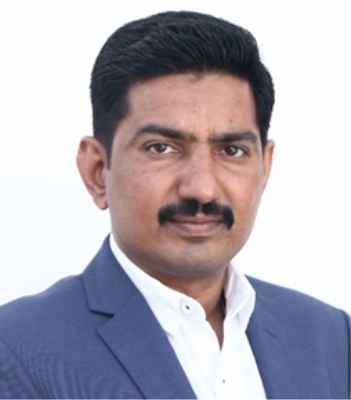
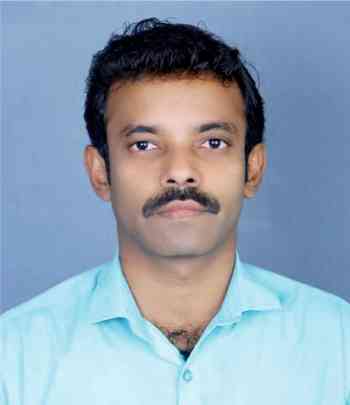
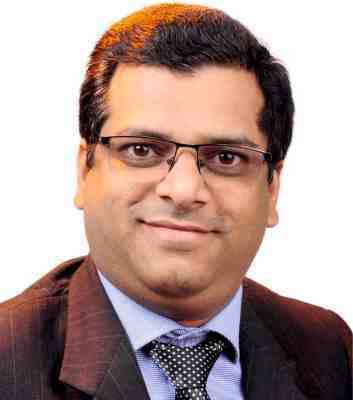
Vinod Kansal's Biography
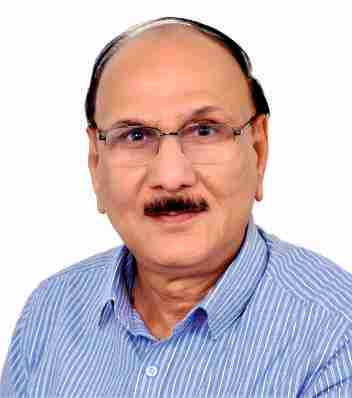
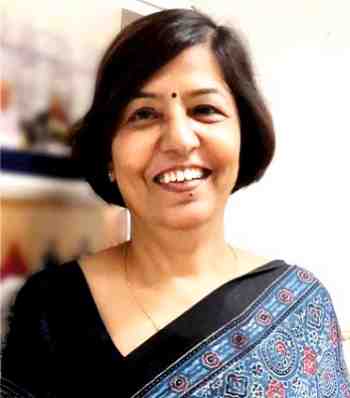
Dr. Vinod Kansal is a distinguished pharmaceutical scientist and organic chemist with over four decades of experience in research, innovation, and leadership within the global pharmaceutical industry. He is the founder of Kantech Research Solutions, a specialized organization focused on complex molecule synthesis, process development, and advanced API research. Throughout his career, Dr. Kansal has built a strong reputation for his expertise in organic chemistry and the development of innovative pharmaceutical processes. His work has significantly contributed to the synthesis of complex compounds, impurities, and chiral molecules, supporting advancements in drug discovery and development. Dr. Kansal’s academic journey includes research at the ICSN, CNRS in France, where he worked at the interface of chemistry and biochemistry under renowned mentorship, focusing on the mechanisms and synthesis of bioactive compounds. He holds an impressive portfolio of scientific achievements, including over 33 publications in national and international journals, 23 invited lectures, and more than 77 patents—highlighting his strong contribution to innovation in pharmaceutical sciences. Over the years, Dr. Kansal has held key research and leadership roles across multiple global locations, contributing to R&D excellence and mentoring teams in the pharmaceutical sector. His work has earned him prestigious recognitions, including the Gabby Pollack Award for innovation and creativity. A respected thought leader and mentor, Dr. Kansal continues to contribute to scientific advancement through research, entrepreneurship, and knowledge sharing, shaping the future of pharmaceutical innovation.
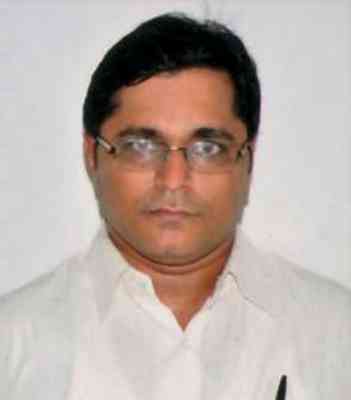
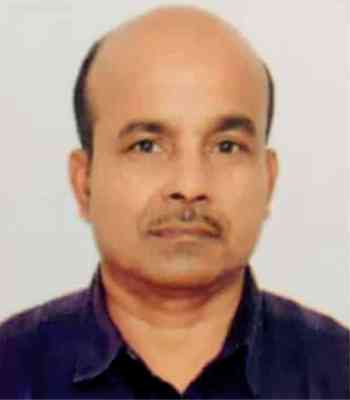
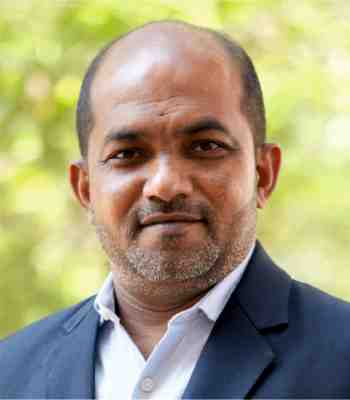
Surendra Singh's Biography
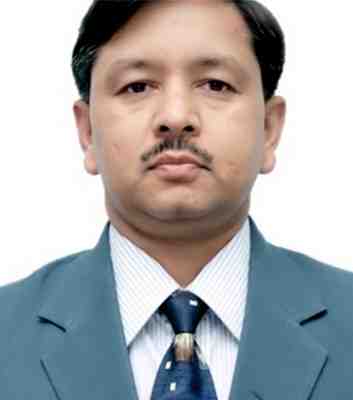
Surendra Singh
Professor, Chemistry
University of Delhi
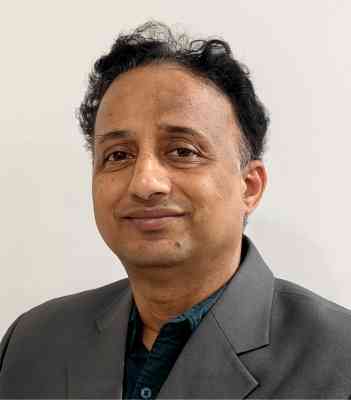
Prof. Surendra Singh joined this department as an Assistant Professor in March, 2010. He obtained his Ph.D. degree from Central Salt and Marine Chemical Research Institute (CSIR-CSMCRI), Bhavnagar, Gujarat in 2006 under the supervision of Dr. (Mrs.) Rukhsana I. Kureshy. Dr. Surendra Singh was Irish Research Council for Science Engineering and Technology (IRCSET) postdoctoral research fellow with Professor Patrick J. Guiry during Sept, 2006- Sept, 2008. He had worked as a postdoctoral researcher up to Jan, 2010 under different funding scheme (PRTLI cycle 4 and Enterprise Ireland) with Prof. Guiry’s research group. Dr. Surendra Singh’s research interests include: Development of recoverable organocatalysts and metal catalysts for asymmetric catalysis. Development of synthetic methodologies for organic transformations. Synthesis of biological active natural products and its analogues. He has published 43 research papers in international journal and 1 PCT patent. He has presented his research work at 20 national and 10 international conferences. He has also delivered 5 invited lectures. Dr. Singh has completed one industrial collaborative research project with Reliance Industry Limited. He also completed DST-SERB fast track project for young scientist and extra mural research grant from CSIR. Dr. Singh has supervised four Ph.D students
Conference Agenda
- Advanced Solvent Selection for Industrial Chemistry
- Green & Alternative Solvents for Sustainable Manufacturing
- Solvent Recovery & Recycling
- Catalyst Selection: Homogeneous, Heterogeneous & Biocatalysts
- Biocatalysis for Modern Industrial Chemistry
- Catalyst Stability, Reusability & Deactivation Control
Agenda Topics for Catalyst & Solvent Strategies
-
Advanced Solvent Selection for Industrial Chemistry
- Polarity, hydrogen bonding parameters, Kamlet–Taft descriptors
- Solvent–substrate–catalyst interactions: what chemists must evaluate
- ICH Guidelines for solvent selection (Class 1/2/3 solvents, residual limits, regulatory compliance), nitrosamine formation and secondary amine impurities
- EHS considerations: VOC norms, solvent bans, worker safety
- Cost–performance–safety trade-offs for Indian manufacturing
- Solvent effects on reaction kinetics, selectivity, and impurity pathways
-
Green & Alternative Solvents for Sustainable Manufacturing
- Case studies: greener solvents in hydrogenation, coupling, oxidation
- Bio based solvents, ionic liquids, deep eutectic solvents (DES), supercritical fluids, CO2-switchable solvent
- Water as a reaction medium: when it works and when it fails
- Solvent swaps for regulatory compliance (Class 2 → Class 3)
- Cost and lifecycle analysis of green solvent adoption
- Replacing Traditional Solvents Without Compromising Yield
-
Solvent Recovery & Recycling
- Industrial case studies from Indian pharma and chemical plants
- Distillation, pervaporation, membrane separations, hybrid systems
- Designing reactions for easier solvent recovery
- Antisolvent selection for crystallization, polymorphism and recovery
- Solvent purity requirements for reuse in API and intermediate synthesis
- Reducing solvent losses, VOC emissions, and waste disposal costs
-
Catalyst Selection: Homogeneous, Heterogeneous & Biocatalysts
- Mechanistic considerations: active sites, ligand effects, metal choice
- Catalyst–solvent compatibility and stability
- When to choose homogeneous vs. heterogeneous vs. enzymatic systems, phase transfer catalysts
- Challenges in biocatalyst use: residual protein, enzyme impurities, filtration issues
- Catalysts for chiral molecule synthesis: stereoselectivity, enantioselectivity, and industrial constraints
- Cost, availability, and lifecycle considerations for Indian industry
-
Biocatalysis for Modern Industrial Chemistry
- Solvent tolerance of enzymes: aqueous–organic systems, DES, ILs
- Enzyme classes relevant to pharma: KREDs, transaminases, lipases
- Cofactor recycling, enzyme immobilization, and process intensification
- Replacing metal catalysts with biocatalysts: yield, selectivity, cost
- Catalyst selection kits for rapid screening and route scouting
- Case studies: chiral intermediates, late stage functionalization, green routes
-
Catalyst Stability, Reusability & Deactivation Control
- Solvent driven deactivation: poisoning, leaching, fouling, metal scavenging for ICH Q3D compliance
- Catalyst regeneration and reactivation strategies
- Designing processes for catalyst reuse and recycling
- Improving TOF and TON for industrial reactions
- Case studies from hydrogenation, C–C coupling, oxidation, biocatalysis
Who should attend
- R&D & Process Development Scientists
- Scale Up, Technology Transfer & Manufacturing Teams
- Catalysis & Biocatalysis Specialists
- Green Chemistry, Sustainability & Compliance Teams
- Process Engineering & Operations Teams
- Business, Strategy & Procurement Leaders
- Academia & Research Institutions (Advanced Level Only)
- Solution Providers & Technology Vendors
Who should attend
-
R&D & Process Development Scientists
Professionals directly involved in reaction optimization, solvent selection, catalyst screening, and route scouting:
- Process chemists
- R&D scientists (API, intermediates, fine chemicals)
- Reaction engineers
- Formulation & analytical scientists supporting reaction development
-
Scale Up, Technology Transfer & Manufacturing Teams
Experts responsible for taking reactions from lab to pilot to plant:
- Tech‑transfer scientists
- Scale‑up engineers
- Manufacturing chemists
- Plant managers & production supervisors
- Process safety & EHS engineers
-
Catalysis & Biocatalysis Specialists
Professionals working on catalytic transformations, enzyme‑based processes, and chiral synthesis:
- Homogeneous & heterogeneous catalysis scientists
- Biocatalysis researchers (KREDs, transaminases, lipases, etc.)
- Enzyme technology teams
- Scientists evaluating catalyst selection kits and high‑throughput screening
-
Green Chemistry, Sustainability & Compliance Teams
Those driving solvent reduction, greener routes, and regulatory alignment:
- Green chemistry leads
- Sustainability officers
- EHS & regulatory compliance professionals
- Teams responsible for ICH solvent compliance and VOC reduction
-
Process Engineering & Operations Teams
Professionals optimizing plant‑level performance:
- Chemical engineers
- Process intensification specialists
- Solvent recovery & recycling engineers
- Crystallization and antisolvent selection experts
-
Business, Strategy & Procurement Leaders
Decision‑makers who influence cost, efficiency, and technology adoption:
- Procurement managers (solvents, catalysts, enzymes)
- Strategy & operations leaders
- Business development managers in chemicals/pharma
- Innovation & technology scouting teams
-
Academia & Research Institutions (Advanced Level Only)
Senior researchers working closely with industry on:
- Catalysis
- Biocatalysis
- Green solvents
- Reaction engineering
- Process intensification
(This event is not for students; only senior researchers with industrial collaboration relevance.)
-
Solution Providers & Technology Vendors

Companies offering:
- Catalysts, enzymes, and catalyst selection kits
- Green & alternative solvents
- Solvent recovery systems
- High‑throughput screening tools
- AI/ML platforms for reaction optimization
Conference Officials
WhatsApp: 9041725050
Speakers & Panelists
Raksh Vir Jasra's Biography
Dr. Raksh Vir Jasra is a highly accomplished scientist and industrial research leader, currently serving as Senior Vice President & Head, R&D Centre, Reliance Industries Limited (RIL), Vadodara, India. He is also an Adjunct Professor at RMIT University, Melbourne, Australia, and holds honorary academic positions with IAR University, Gandhinagar and the Centre for Nanotechnology, IIT Guwahati, reflecting his strong engagement with global research and academic collaborations.Dr. Jasra earned his M.Sc. in Chemistry from Delhi University (1976) and completed his Ph.D. in Physical Chemistry from IIT Delhi (1981). He further advanced his expertise through a Post-Doctoral Fellowship at Imperial College London, UK (1989–1990). His core areas of specialization include catalysis for chemical and petrochemical processes, adsorptive separation of gases and hydrocarbons, and the development of advanced nanomaterials, including nano metal particles, nanoporous solids, and nanocomposites. He is also recognized for his exceptional R&D leadership, with nearly three decades of experience in managing large multidisciplinary research teams.
Dr. Jasra has an outstanding record of innovation and industrial impact, having contributed to the development of 67 chemical processes, including 28 commercialized technologies and 27 pilot-scale developments. He has published 343 peer-reviewed research articles and holds an impressive portfolio of 329 granted patents, including 68 US patents and 152 Indian patents. His research impact is widely acknowledged with 15,000+ citations, an h-index of 62, and an i10-index of 234 (Google Scholar). He has also mentored 27 Ph.D. scholars and 14 postgraduate students. Recognized globally for his scientific contributions, Dr. Jasra has been featured in Stanford University’s Top 2% Scientists in the World list since 2020 and has received several prestigious honors, including Lifetime Achievement Awards, the Vasvik Award, and multiple national awards for technology innovation. He has delivered 200+ invited lectures, authored 950+ industrial technical reports, and served on national advisory committees for organizations such as CSIR, DST, and MHRD.
Senior Vice President & Head, R&D Centre,
Reliance Industries Limited,
India
Former Vice-chancellor / President,
Gujarat Vidyapith / Indian Society of Chemists & Biologists,
India
Entrepreneur,
Saga Lifesciences,
India
Vinod Kansal's Biography
Dr. Vinod Kansal is a distinguished pharmaceutical scientist and organic chemist with over four decades of experience in research, innovation, and leadership within the global pharmaceutical industry. He is the founder of Kantech Research Solutions, a specialized organization focused on complex molecule synthesis, process development, and advanced API research. Throughout his career, Dr. Kansal has built a strong reputation for his expertise in organic chemistry and the development of innovative pharmaceutical processes. His work has significantly contributed to the synthesis of complex compounds, impurities, and chiral molecules, supporting advancements in drug discovery and development. Dr. Kansal’s academic journey includes research at the ICSN, CNRS in France, where he worked at the interface of chemistry and biochemistry under renowned mentorship, focusing on the mechanisms and synthesis of bioactive compounds. He holds an impressive portfolio of scientific achievements, including over 33 publications in national and international journals, 23 invited lectures, and more than 77 patents—highlighting his strong contribution to innovation in pharmaceutical sciences. Over the years, Dr. Kansal has held key research and leadership roles across multiple global locations, contributing to R&D excellence and mentoring teams in the pharmaceutical sector. His work has earned him prestigious recognitions, including the Gabby Pollack Award for innovation and creativity. A respected thought leader and mentor, Dr. Kansal continues to contribute to scientific advancement through research, entrepreneurship, and knowledge sharing, shaping the future of pharmaceutical innovation.
Founder,
Kantech Research Solutions,
India
Chief Manager - Innovation,
ClimaCrew,
India
Team Lead, Polymer R&D,
Reliance Industries Limited,
India
Surendra Singh's Biography
Surendra Singh
Professor, Chemistry
University of Delhi
Prof. Surendra Singh joined this department as an Assistant Professor in March, 2010. He obtained his Ph.D. degree from Central Salt and Marine Chemical Research Institute (CSIR-CSMCRI), Bhavnagar, Gujarat in 2006 under the supervision of Dr. (Mrs.) Rukhsana I. Kureshy. Dr. Surendra Singh was Irish Research Council for Science Engineering and Technology (IRCSET) postdoctoral research fellow with Professor Patrick J. Guiry during Sept, 2006- Sept, 2008. He had worked as a postdoctoral researcher up to Jan, 2010 under different funding scheme (PRTLI cycle 4 and Enterprise Ireland) with Prof. Guiry’s research group. Dr. Surendra Singh’s research interests include: Development of recoverable organocatalysts and metal catalysts for asymmetric catalysis. Development of synthetic methodologies for organic transformations. Synthesis of biological active natural products and its analogues. He has published 43 research papers in international journal and 1 PCT patent. He has presented his research work at 20 national and 10 international conferences. He has also delivered 5 invited lectures. Dr. Singh has completed one industrial collaborative research project with Reliance Industry Limited. He also completed DST-SERB fast track project for young scientist and extra mural research grant from CSIR. Dr. Singh has supervised four Ph.D students
Professor, Chemistry,
University of Delhi,
India
Venue
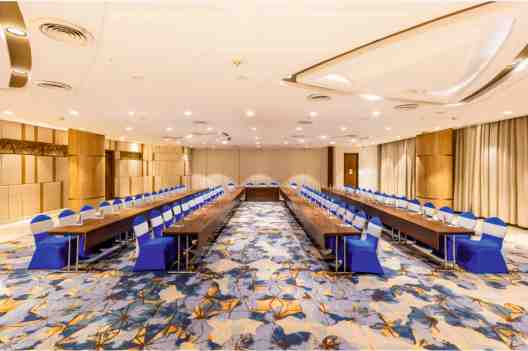
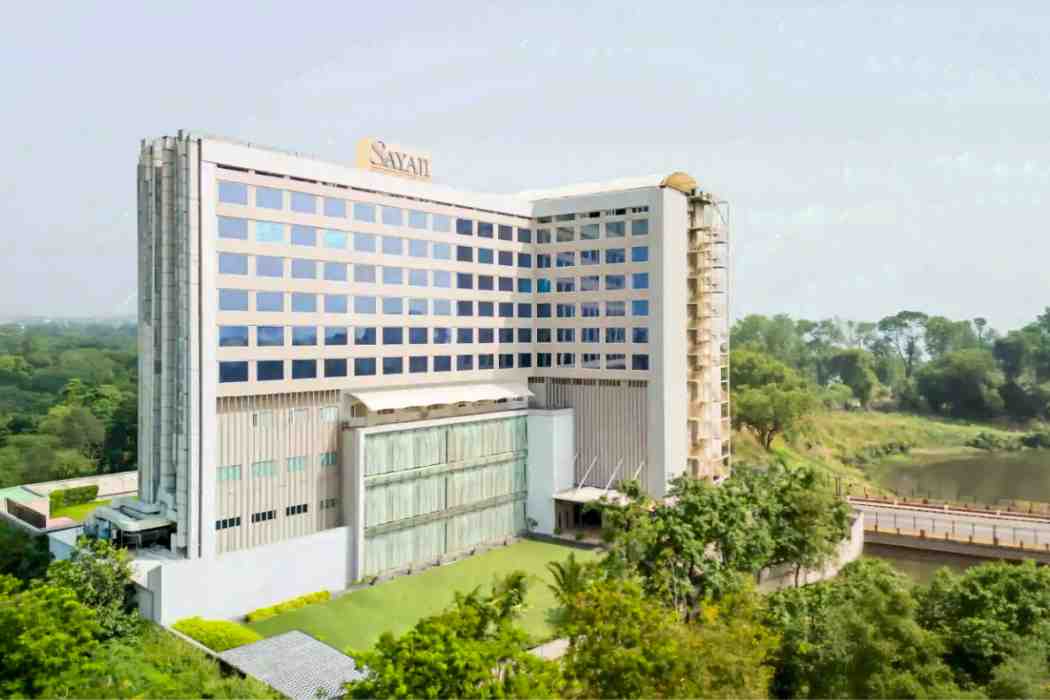
Hotel Sayaji, Vadodara
Address: Near, Bhimnath Bridge, opp. Parsi Agyari, Parshuram Nagar, Sayajiganj, Vadodara, Gujarat 390007
Why Exhibit
Direct Access to Decision‑Makers and Technical Buyers
The audience includes process chemists, R&D scientists, scale‑up engineers, procurement heads, and manufacturing leaders — the exact people who evaluate and purchase catalysts, solvents, enzymes, and process technologies.
Showcase Innovations to a Highly Targeted, Industry‑Ready Audience
Vendors can demonstrate new catalysts, biocatalysts, green solvents, recovery systems, and screening kits to professionals actively seeking solutions for efficiency, sustainability, and cost reduction.
Position Your Brand as a Technology Leader in Reaction Engineering
Exhibiting places your company at the centre of India’s shift toward green chemistry, biocatalysis, and advanced solvent/catalyst engineering — strengthening brand authority.
Generate High‑Quality Leads for Immediate and Long‑Term Projects
Attendees represent companies working on new API routes, scale‑ups, solvent swaps, catalyst upgrades, and sustainability initiatives — all requiring vendor partnerships.
Engage in Technical Discussions That Influence Real Projects
Unlike general expos, this event attracts industry scientists, enabling deep, chemistry‑driven conversations that often lead to pilot trials, sampling, and technology evaluations.
Demonstrate Practical Value Through Live Interactions
Vendors can show: Catalyst selection kits; Enzyme screening panels; Solvent recovery technologies; Green solvent alternatives; High‑throughput screening tools; Digital AI/ML platforms.
Build Relationships With R&D, Scale‑Up, and Manufacturing Teams
These teams rarely attend generic trade shows. This conference brings them together in one place, making it easier to build multi‑department relationships within the same company.
Understand Industry Pain Points and Future Needs
Direct conversations with chemists and engineers reveal:
- What catalysts are failing
- Where solvent recovery is inefficient
- What biocatalysis challenges exist
- What green solvent gaps remain
- What tools scientists need next
Strengthen Visibility Among India’s Fast‑Growing Pharma & Chemical Sector
India is rapidly expanding in APIs, intermediates, and speciality chemicals. Exhibiting here positions vendors to ride that growth wave.
Opportunity to Collaborate on Joint Development or Pilot Projects
Many companies attending are open to:
- Joint catalyst development
- Enzyme screening collaborations
- Solvent recovery optimization projects
- Green chemistry route scouting
- Digital tool integration
Exhibitors can initiate these partnerships on the spot.
Conference Sponsors
Knowledge Partner
Indian Society Of Chemists And Biologists
Indian Drug Manufacturers Association
The Catalysis Society of India
Catalyst & Solvent Strategies
Download Programme PDFFriday, 10th July 2026
| 08:00 |
Tentative Programme
|
| 09:00 |
Inaugural Session
|
| 09:30 |
Plenary Session: India’s Reaction Engineering Future: Efficiency, Sustainability & Scale
Why solvent and catalyst selection are the biggest levers for industrial competitiveness. The shift toward green chemistry, biocatalysis, and low‑carbon processes. India’s opportunity to lead in sustainable reaction engineering |
| 10:00 |
Session 1- Advanced Solvent Selection for Industrial Chemistry
Theme: Critical Issues in Solvent Choice: Mechanistic & Practical Perspectives |
| 10:45 |
Networking Tea Break
|
| 11:15 |
Session 2- Green & Alternative Solvents for Sustainable Manufacturing
Theme: Replacing Traditional Solvents Without Compromising Yield |
| 12:00 |
Session 3- Solvent Recovery & Recycling: Engineering Solvent Systems for Maximum Reuse
Theme: Engineering Solvent Systems for Maximum Reuse |
| 12:45 |
Lunch & Networking
|
| 13:45 |
Session 4- Catalyst Selection: Homogeneous, Heterogeneous & Biocatalysts
Theme: Choosing the Right Catalyst for Industrial Feasibility |
| 14:30 |
Session 5- Biocatalysis for Modern Industrial Chemistry
Theme: The Fastest‑Growing Catalyst Platform in India |
| 15:15 |
Tea Break
|
| 15:30 |
Session 6- Catalyst Stability, Reusability & Deactivation Control
Theme: Maximizing Catalyst Lifetime to Improve Profitability |
| 16:15 |
Session 7- Solvent–Catalyst Synergy for High Efficiency Reactions
Theme: Designing the Ideal Reaction Environment |
| 17:00 |
Panel Discussion: “Catalyst and Solvent Technologies Shaping the Future of Manufacturing”
|
| 17:30 |
Closing Remarks & Vote of Thanks
|
| 17:40 |
Presentation of Academic Innovations through Digital Posters
Digital Poster Presentations on Catalysis, Biocatalysis, Green solvents, Reaction engineering and Process intensification |
| 18:30 |
Networking Dinner
|
Call for Abstracts
The Organising Committee warmly invites senior researchers from academic research institutions with strong industry linkages and research associations to submit original research contributions for the Conference & Exhibition “Catalyst & Solvent – Strategies for Efficient & Scalable Industrial Chemistry.” The work should be of high relevance to API/pharmaceutical and chemical industries.
The conference will feature a Digital Poster Presentation Session designed exclusively for experienced researchers and professionals actively engaged in industrially relevant research areas, including: Solvent selection, Green Solvents, Solvent Recovery/recycling, Catalyst selection, Catalyst–solvent compatibility, Catalyst Stability, Reusability & Deactivation, Biocatalysis and Catalyst reuse & recycling.
Note: This presentation option is only for senior researchers and professionals with strong industry-oriented research.
Digital Poster Presentation
Participants are invited to showcase their research through a Digital Poster Presentation format. Posters should be presented as a single-slide digital poster/image, accompanied by a brief oral presentation of up to 5 minutes (4 minutes presentation + 1 minute discussion).
Abstract Submission Guidelines
Format: Plain text to be submitted online only on this page.
Word Limit: Maximum 200 words (excluding title and author affiliations).
Structure: Must include Objective, Methodology, Key Results, and Conclusion in a single paragraph.
Originality: Submissions must represent original work done by the presenter individually or should be a part of the team, which has done work in association with the industry.
Awards & Certification
The Best Poster Award will be announced during the conference valedictory session.
All presenters must complete conference registration. Registered presenters will receive an official Certificate of Poster Presentation.
Abstract Submission Topics
- Academic Innovations in Catalysts & Solvents
Abstract Submission (* is a required field.)
Name of Conference: Catalyst & Solvent Strategies
Why Technical Teams Should Attend
- Strengthen route‑selection decisions with deeper understanding of catalytic pathways, solvent effects, and reaction engineering fundamentals.
- Learn practical solvent‑recovery strategies (distillation, azeotrope breaking, recycling limits, impurity control) that directly impact batch and continuous operations.
- Benchmark catalytic performance across homogeneous, heterogeneous, and biocatalytic systems with real industrial case data.
- Improve scale‑up reliability through insights on mixing, heat transfer, mass transfer, and catalyst deactivation under plant conditions.
- Reduce process variability by understanding solvent–catalyst interactions, impurity formation, and reaction kinetics.
- Identify cost‑saving opportunities in solvent reuse, catalyst life extension, and waste minimization.
- Translate lab results to plant reality with sessions focused on troubleshooting, robustness studies, and process control.
Payment Modes
If you wish to pay by UPI/Credit/Debit Card or Net Banking, you can register through our secure payment gateway. Click on register now tab on the registration page, select your category and proceed for payment.
If you wish to pay by direct bank transfer by NEFT/RTGS or you want to pay against a GST invoice, please contact our Support Team by email at s.kanwar@glostem.com/f.zainab@glostem.com or call 8289015050/7696425050.
If you wish to receive a GST invoice, please share your company GST certificate at the time of registration only.
Registration
Register Now| Category | Currency | Base Fee | GST / Tax % | Total (incl.) |
|---|---|---|---|---|
|
Academic Scientists/Faculty
|
INR | ₹8,000.00 | 18% | ₹9,440.00 |
|
Business Delegates from Industry
|
INR | ₹15,000.00 | 18% | ₹17,700.00 |
|
Group of 3 Industry Delegates
|
INR | ₹25,000.00 | 18% | ₹29,500.00 |
|
Overseas Business Delegates
|
EUR | €100.00 | 18% | €118.00 |
|
Overseas Business Delegates
|
USD | $150.00 | 18% | $177.00 |
|
Research Scholars for Presentation
|
INR | ₹6,000.00 | 18% | ₹7,080.00 |
|
Technical and Professional Delegates from Industry
|
INR | ₹10,000.00 | 18% | ₹11,800.00 |
- Manual: Cheque / NEFT / RTGS (confirmation number required)
- Razorpay: UPI, NetBanking, Credit/Debit Cards (INR)
- ICICI Payment Gateway (as enabled)
- Access to all conference sessions
- Conference kit & materials
- Tea/Coffee & Lunch (as per program)
- Certificate of participation