
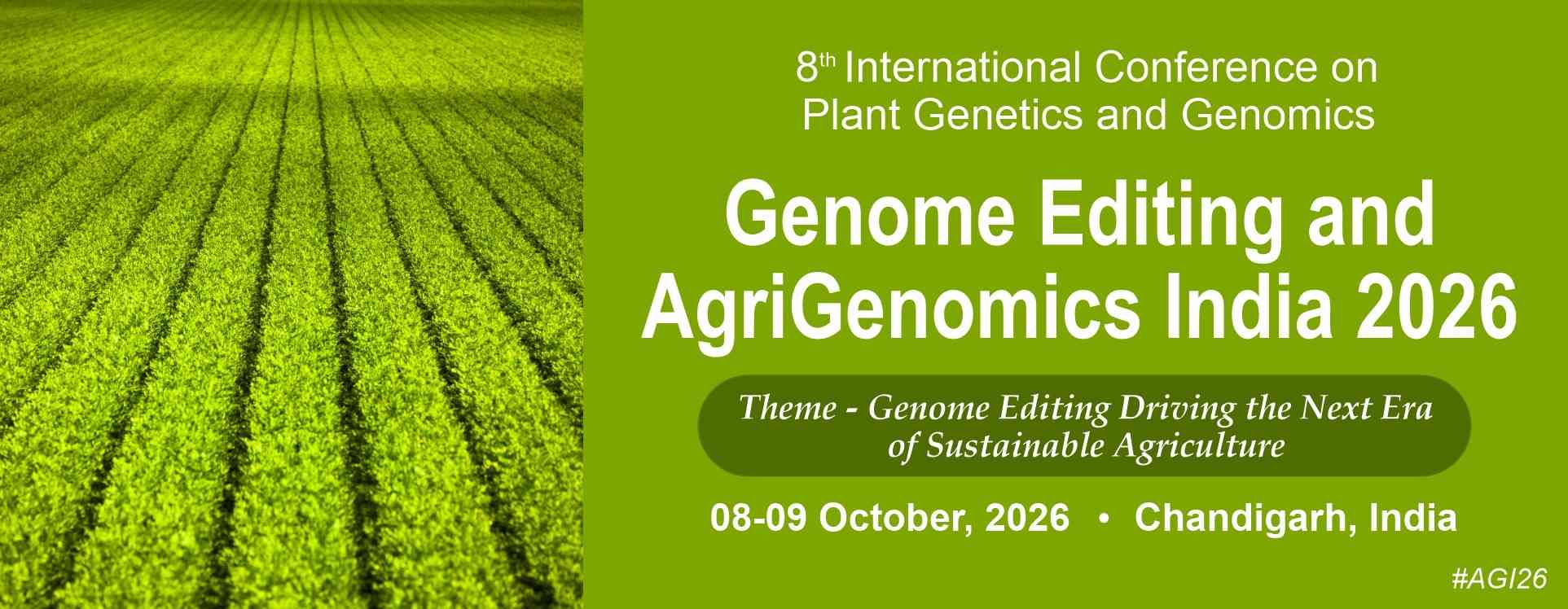
Genome Editing and AgriGenomics India 2026
The 8th International Conference on Plant Genetics and Genomics – Genome Editing and AgriGenomics India 2026 returns as one of Asia’s most influential gatherings for researchers advancing the future of agriculture through cutting‑edge genomic science. This two‑day Conference & Exhibition will convene global leaders in CRISPR technologies, functional genomics, computational agrigenomics, and climate‑resilient crop innovation.
The 2026 agenda features frontier topics including Next‑Generation CRISPR‑Cas toolkits, tissue‑culture‑free transformation, genome editing for abiotic stress adaptation, AI‑driven trait discovery, CRISPR interventions for biotic stress, and regulatory science, biosafety, and agricultural biosecurity.
The conference will host Oral Presentations and Poster Presentation Sessions, offering researchers a high‑visibility platform to showcase breakthroughs in plant genetics, genome engineering, and multi‑omics discovery.
The AgriGenomics Exhibition will spotlight leading platforms in sequencing, phenotyping, and precision agriculture as well as reagent and consumable suppliers—including PCR, NGS, cloning, genome‑editing, plant‑tissue culture, and molecular biology reagent vendors—providing hands‑on access to the latest kits, enzymes, delivery systems, plant transformation reagents, and lab consumables.
The conference continues its legacy as a premier forum advancing India’s leadership in plant genomics and agricultural biotechnology, fostering innovation that supports productivity, sustainability, and global food security.

Conference Dates
08-10-2026 to 09-10-2026
Call for Abstracts for Oral/Poster Presentation
Last Date for Abstract Submission – September 15, 2026













Conference Agenda
- Next-Generation CRISPR-Cas Toolkits & Precision Editing Mechanisms
- Advanced Intracellular Delivery & Tissue Culture-Free Transformation
- Genomics and Genome Editing for Climate Resilience & Abiotic Stress Adaptation
- AI, Machine Learning & Computational AgriGenomics
- Functional Genomics & CRISPR Interventions for Biotic Stress and Crop Quality Traits
- Regulatory Science, Biosafety Protocols, and Agricultural Biosecurity
Who should attend
- Plant Biotechnology Scientists
- Genome Editing & Transformation Researchers
- AI, Machine Learning & Computational AgriGenomics Professionals
- Agricultural & Crop Biotechnology Experts
- Academic Faculty, Postdocs & Research Scholars
- Reagent, Consumable & Lab Technology Providers

Conference Officials




WhatsApp: 9041725050
Upcoming Conferences







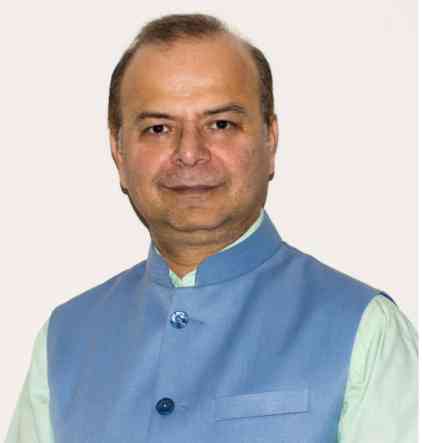
Speakers & Panelists
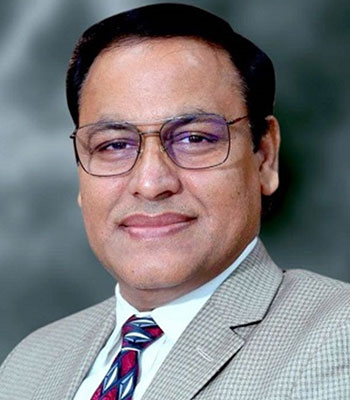
Former Head, Division of Genomic Resources & Principal Scientist,
ICAR-National Bureau of Plant Genetic Resources,
India
Venue
Hotel Shivalikview
Address: SCO 121-122, 17B, Sector 17, Chandigarh, 160017
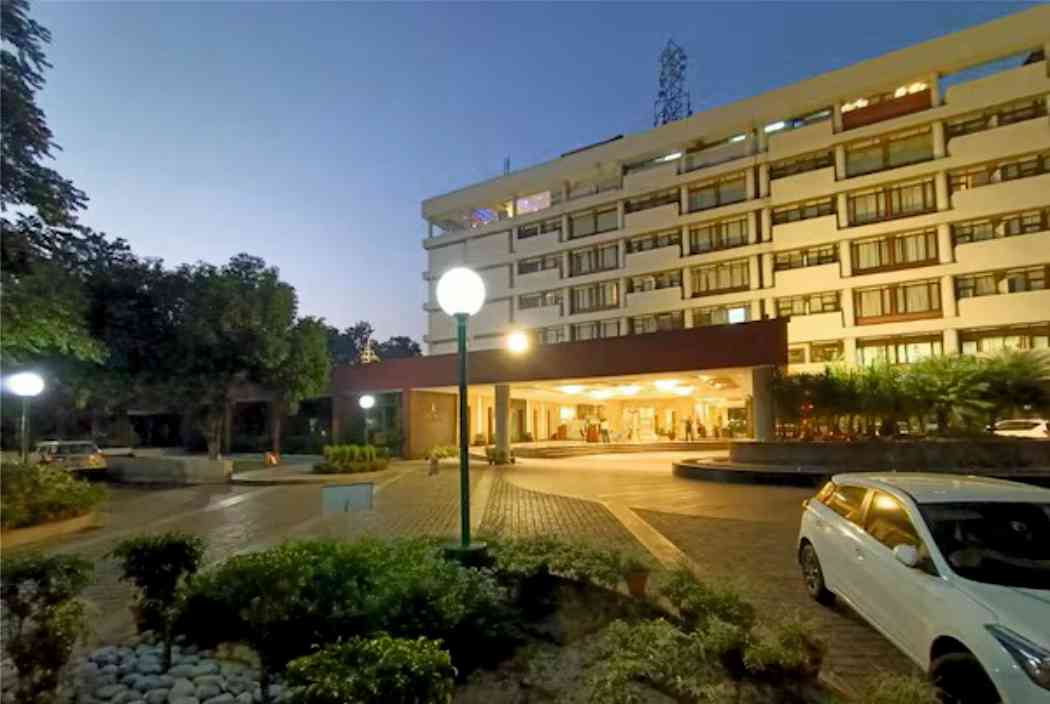
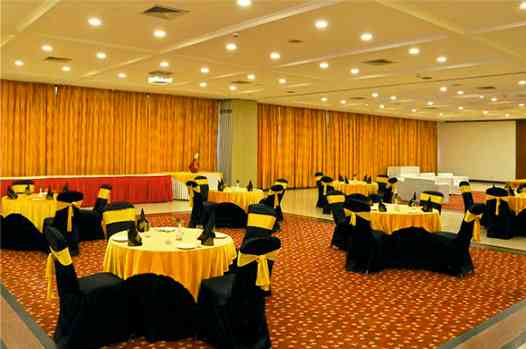


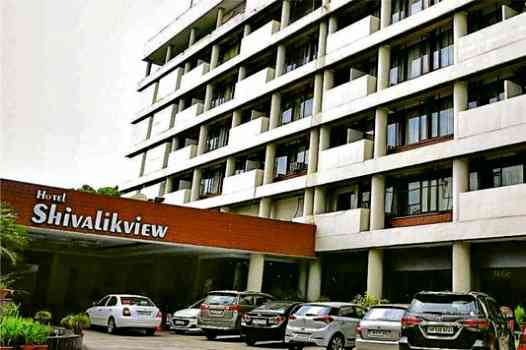
Hotel Shivalikview, located within city’s hub of business, shopping and entertainment in Sector – 17, offers a stylish, intimate base for business experience as well as exploring the attractions & tourist spots of the “City Beautiful”. The hotel is a 25 minutes’ drive from the Airport and 15 minutes’ from the Railway Station and is a walking distance from Inter-state bus terminus. An ideal destination for organizing meetings, conventions and exhibitions with a focus on MICE with unmatched personalized services which add to the inherent warmth. The hotel is reputed for impeccable standards of services and luxury.
Accommodation Options
For the convenience of our delegates, we have listed a few accommodation options near the conference venue. Delegates may choose their preferred hotel based on their requirements, budget, and availability.
Note: The conference organisers do not guarantee room availability or rates at the above-mentioned hotels. Delegates are advised to book their accommodation well in advance.
| Hotels | Phone No | Distance from Shivalik | Price SO | Price DO | Website |
| Hotel Downtown Sec 17 | 8146666503 (Mr Ram) | 1.7 km | 2200 + GST | 2800 + GST | Website |
| Shri Laxmi Narayan Dharamshala | 7888338429 (Mr Prithvi) | 3.7 km | 1000 (Incl. GST) | 1500 (Incl. GST) | Website |
| Hotel Shivalikview | 9781594606 (Mr Uday) | 3680 + GST | 4000 + GST | Website | |
| Hotel Chandigarh Beckons Sec 42 | 9876986498 (Mr Mohit) | 6.3 km | 3024 (Incl. GST) | 3308 (Incl. GST) |
AgriGenomics India 2026
Download Programme PDFThursday, 8th October 2026
| 09:00 |
INAUGURAL SESSION
|
| 09:00 |
Introduction to Glostem |
| 09:05 |
|
| 09:20 |
|
| 09:45 |
SESSION 1: Next-Generation CRISPR-Cas Toolkits & Precision Editing Mechanisms
|
| 09:50 |
Engineered CRISPR Endonucleases Favoring Homology-Directed Repair in Plants View Abstract Tom Schreiber Dept. Cell- and Metabolic Biology, Leibniz Institute of Plant Biochemistry, Germany The targeted modification of plant genetic material offers a wide range of potential applications. Modifications of larger sections of DNA, such as insertions or replacements, are difficult to achieve using existing techniques. These modifications are usually triggered by DNA double-strand breaks (DSBs) in the area to be modified and occur via homology-directed repair (HDR). |
| 10:20 |
Engineering Better CRISPR Systems for Plants: From Optimized sgRNA Scaffolds to Automated PTG Assembly View Abstract Soham Ray Senior Scientist, Division of Plant Physiology, ICAR-IARI, New Delhi, India The CRISPR/Cas9 system has transformed plant genome engineering by enabling precise and programmable genetic modifications for functional genomics and crop improvement. As research increasingly focuses on complex traits controlled by multiple genes, efficient multiplex genome editing has become indispensable. |
| 10:50 |
Prime Editing-Mediated Mimicking of a C4 Evolutionary Signature Enables Multi-Biofortification of Zinc, Iron and Protein in Rice Grain View Abstract Kutubuddin A Molla Scientist, ICAR-NRRI, Cuttack, India Here, we report an evolution-guided prime editing strategy to simultaneously improve grain nutritional quality in rice by mimicking a conserved C₄ evolutionary signature. |
| 11:20 |
Tea/Coffee Break
|
| 11:50 |
Session 2: Advanced Intracellular Delivery & Tissue Culture-Free Transformation
|
| 11:55 |
Technological Development of Intracellular Cargo Delivery from Tissue Culture-Free to Hands-Free for Simple Gene-Editing to Multiplex Chromosome-Editing View Abstract Prasenjit Saha Co-Founder, Chief Scientific Officer & Director of Science, Phoenix Ebra Inc., US This presentation will describe the emerging approaches such as tissue culture-free viral or virus-derived systems, nanoparticle-mediated delivery including direct-delivery into meristematic tissue using high-throughput hands-free artificial intelligence integrated automated robotic platform for commercia scale simple gene-editing to multiplex chromosome-editing |
| 12:25 |
Developing Transgene-Free Gene-Edited Plants by Delivering Ribonucleoproteins. View Abstract Ramu S Vemanna Associate Professor, Regional Center For Biotechnology, India CRISPR–Cas technologies have transformed plant genome engineering, yet most delivery systems rely on DNA constructs and tissue culture, which can lead to transgene integration and regulatory challenges |
| 12:55 |
Group Photo |
| 13:05 |
Poster Presentations and Evaluation
|
| 13:30 |
Lunch
|
| 14:30 |
Session 3: Artificial Intelligence-Driven Genome Editing for Precision Crops
|
| 14:35 |
AI-Designed Hypercompact Gene Editors View Abstract Tanay Lohia Founder & Chief Editing Officer, Mandrake Bio, India It will discuss how computational models and laboratory feedback can guide the search for functional editors, alongside the challenges of balancing size, activity, and specificity. The talk will also explore their potential to broaden delivery options for plant genome engineering and support future crop improvement. |
| 15:05 |
Accelerating Genetic Gain: Integrating AI, Gene Editing and Modern Breeding Technologies View Abstract Raman Babu Global Research Director- Accelerated Crop Improvement, ICRISAT, India The presentation will outline an emerging vision for Accelerated Crop Improvement (ACI), where multidisciplinary technologies work together to deliver faster, smarter and more sustainable genetic improvement for agriculture in the era of digital biology and precision breeding. |
| 15:35 |
Tea/Coffee Break
|
| 16:05 |
Session 4: From Big Data to Field: Machine Learning, Multi-Omics, and Gene Discovery in Crop Improvement
|
| 16:10 |
Predictive Breeding with Multi-Omics: Machine Learning and Deep Learning for Genomic Selection View Abstract Pankaj Bihani Vice President, Namdhari Seeds Pvt. Ltd., India Genetic gain per unit time is bounded by prediction accuracy and cycle length, and phenotyping remains the slowest and most expensive step in any breeding programme. Genomic selection addresses this by estimating marker effects in a genotyped and phenotyped training population and applying them to unknown phenotype candidates, and it is now routine in maize, wheat and dairy cattle. |
| 16:40 |
Integrated Multi-Omics for Discovery of Candidate Genes and Regulatory Elements for Precision Genome Editing in Crops View Abstract Mukesh Jain Professor, Jawaharlal Nehru University, India I shall present a few examples of integrated multi-omics approaches employed by our group to dissect the molecular basis of complex traits and identify key candidate genes and molecular signatures for precision genome editing. |
| 17:10 |
From Big Data to Editable Targets: Gene Discovery for Soybean Improvement View Abstract Neeta Lohani Assistant Professor, Thapar Institute of Engineering & Technology, India The datasets, bioinformatic pipelines and gene-based genotyping technology that this work has made publicly available, and show how the resulting candidate genes can be carried forward into functional validation and genome editing. Will close by discussing how this platform can be integrated into breeding programmes, drawing on its application to soybean improvement in India. |
| 17:40 |
End of Day 1
|
.jpg)

Friday, 9th October 2026
| 09:05 |
Research Presentations and Evaluation - 1
09:05 Backiyarani Suthanthiram - ICAR-National Research Centre for Banana |
| 09:45 |
Session 5: Functional Genomics & CRISPR Interventions for Biotic Stress and Crop Quality Traits
|
| 09:50 |
Advancing Wheat Micronutrient Biofortification through Functional Genomics of Iron Homeostasis View Abstract Ajay Kumar Pandey Scientist G, BRIC-National Agri-Food and Biomanufacturing Institute, India A deeper understanding of Fe sensing, mobilization, redistribution, and storage in edible tissues is therefore essential for developing nutrient-rich wheat varieties. Bread wheat (Triticum aestivum L.; AABBDD, 2n = 6x = 42) is an allohexaploid species derived from hybridization among three ancestral diploid genomes. |
| 10:20 |
Genome Editing Innovations for Sustainable Agriculture View Abstract Leena Tripathi Director, IITA, Kenya, Africa This presentation highlights recent advances in genome editing for sustainable agriculture, with a focus on developing disease-resistant banana varieties. It examines strategies to address two major constraints to banana production: banana Xanthomonas wilt (BXW) and banana streak virus (BSV). |
| 10:50 |
Tea/Coffee Break
|
| 11:20 |
Session 6: Genomics and Genome Editing for Climate Resilience & Abiotic Stress Adaptation
|
| 11:25 |
Genome Editing in Pigeonpea and Mustard for Productivity Enhancement View Abstract Ramcharan Bhattacharya Director, ICAR-National Institute for Plant Biotechnology, India To develop a CRISPR/Cas mediated genome editing process in pigeonpea, we redesigned a vector construct using endogenous promoter for sgRNA expression and a codon optimized Cas9. Using the construct, in regeneration and non-regeneration-based plant transformation, we demonstrated successful editing by knocking out the phytoene desaturase (PDS) gene. This laid the foundation for genome editing in pigeonpea, which is considered recalcitrant to regeneration. |
| 11:55 |
Genomic Insights into Heat Stress, Seed Shattering, and Nutritional Traits in Quinoa View Abstract Gaurav Zinta Principal Scientist, IHBT, Palampur, India This talk highlights recent genomic and functional studies addressing these three major challenges and their implications for quinoa improvement. The first part focuses on quinoa responses to daytime and nighttime heat stress, emphasizing their differential effects on plant growth, photosynthesis, reproductive development, and yield, thereby providing insights into the physiological and molecular basis of heat stress vulnerability. The second part presents the functional characterization of a key seed shattering gene and its role in regulating seed dispersal, identifying a promising genetic target for developing non-shattering cultivars. |
| 12:25 |
Ensuring Genome Integrity: Next Generation Analytical Pipelines Arunagiri Subramanian Dy. Manager, R&D, HiMedia Laboratories, India 
|
| 12:55 |
Poster Presentations and Evaluation
|
| 13:20 |
Lunch and Networking
|
| 14:20 |
Session 7: Regulatory Science, Biosafety Protocols, and Agricultural Biosecurity
|
| 14:25 |
India Genome Editing Regulations & What We Can Learn From Global Developments View Abstract Valasubramanian Ramaiah Asia Pacific Genome Editing Policy Leader, Corteva Agriscience, India India adopted a regulation for gene editing in 2022 by exempting SDN (site-directed nuclease)1 and SDN2 category plants from GMO regulatory purview with a predictable review and approval process. The approval of gene edited rice varieties PUSA DST1 (for improved drought and salt tolerance) and DRR Dhan 100 (for yield improvement) under the simplified and predictable gene editing regulation marks a significant milestone in Indian Agriculture. |
| 14:55 |
Genome-Edited Crops: Navigating the Regulatory Journey from Laboratory to Farmers’ Fields View Abstract Vilas Parkhi Lead-Research, Mahyco Pvt. Ltd., India Greater emphasis is needed on understanding current regulatory frameworks for genome-edited crops and explaining why these products may require oversight distinct from that developed for transgenic organisms. Regulatory approaches worldwide increasingly differentiate among SDN-1, SDN-2, and SDN-3 types of genetic alterations according to the nature and extent of the resulting changes. |
| 15:25 |
Synergizing Regulatory Framework for Sustainable Lab. To Fork AgriGenomics View Abstract Gurinderjit Randhawa Former Head, Division of Genomic Resources & Principal Scientist, ICAR-National Bureau of Plant Genetic Resources, India In this presentation, the GM Foods Regulations 2026 will be discussed in detail especially with the view to facilitate regulatory synergy in India’s GM Agri Genomics. FSSAI is the apex authority to regulate GM Foods derived from modern biotechnology/genetic engineering/genetic modification and Genome-edited crops, Site-Derived Nuclease (SDN) SDN3, whereas, SDN1 and SDN2 (free of exogenous DNA) were exempted from regulation by MoEFCC in March 2022. |
| 15:55 |
Tea/Coffee Break
|
| 16:25 |
Session 8: Oral Presentations
|
| 16:25 |
Gene Editing: Unlocking Opportunities for India’s Seed Sector and Ensuring Readiness Bijendra Pal Head Research and Development, Dayal Seeds, India |
| 16:35 |
Research Presentations and Evaluation - 2
16:35 Naveen Kumar Saroha - Sharda University |
| 17:45 |
VALEDICTORY FUNCTION
|
| 17:45 |
Oral and Poster Awards Presentation |
| 17:55 |
Closing Remarks |
| 18:10 |
Vote of Thanks |