Catalyst & Solvent - Strategies for Efficient & Scalable Industrial Chemistry
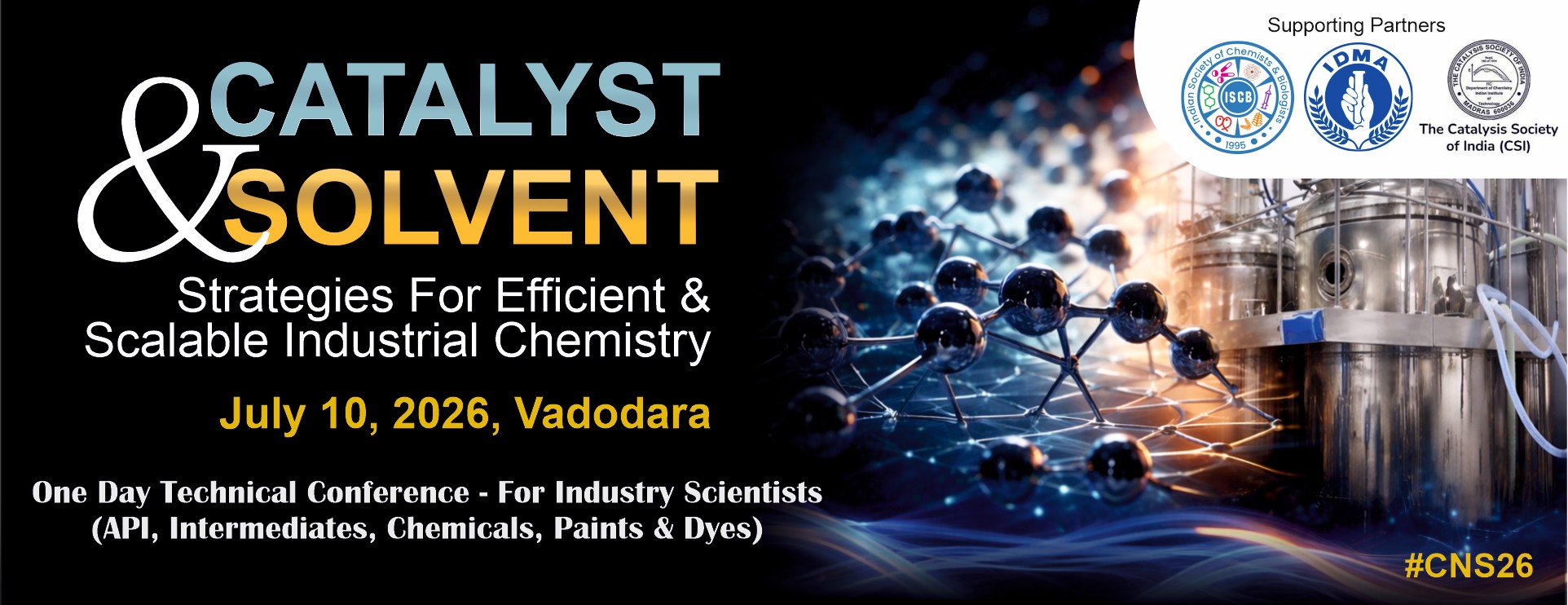
Welcome to the "Catalyst & Solvent - Strategies for Efficient & Scalable Industrial Chemistry" technical conference and exhibition, the premier gathering for scientists in India’s API, intermediates, and specialty chemical sectors. As global regulatory landscapes tighten and the push for sustainability intensifies, the strategic selection of solvents and catalysts has emerged as the most critical lever for maintaining industrial competitiveness.
Scheduled for July 10, 2026, in Vadodara, this intensive one-day program moves beyond theoretical chemistry to solve the "pain points" of modern manufacturing.
Our technical sessions explore the cutting edge of biocatalysis, green solvent swaps (Class 2 to Class 3), and the critical role of solvent selection in controlling API polymorphism. By bridging the gap between mechanistic research and plant-floor reality, this conference offers actionable insights into improving Turnover Numbers (TON) and designing circular solvent recovery systems.
Join industry leaders and R&D experts as we chart India’s roadmap for green chemistry and smarter reaction engineering.
Please note that photography/videography of the scientific contents presented at the conference is strictly prohibited. We will share the presentations with the delegates only if provided and allowed by the respective speakers.
Conference Date
10-07-2026
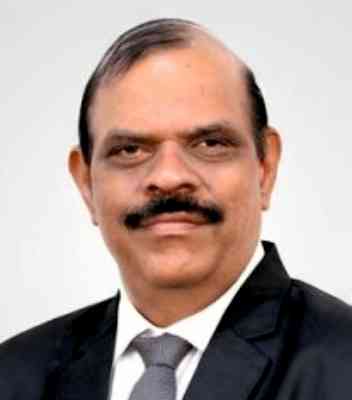
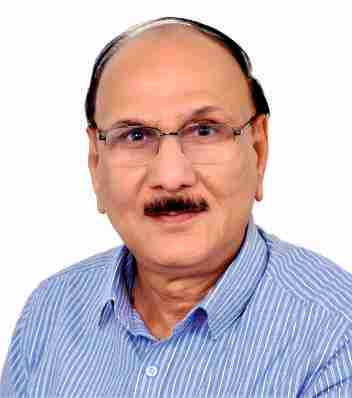
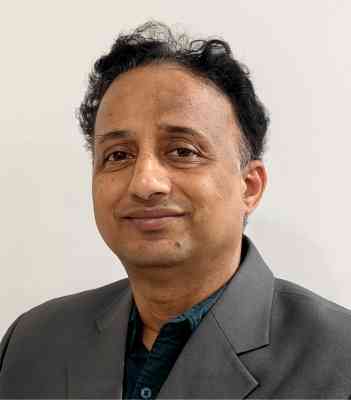
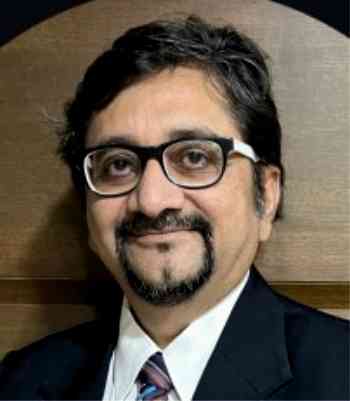
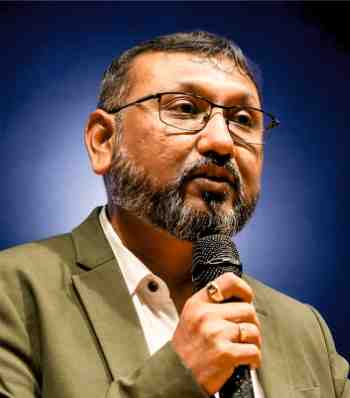
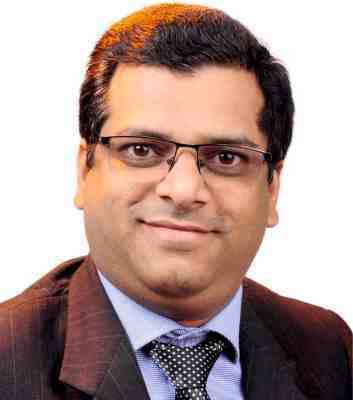
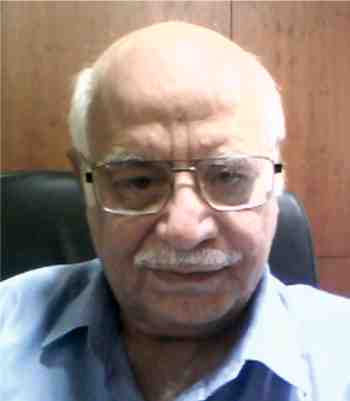
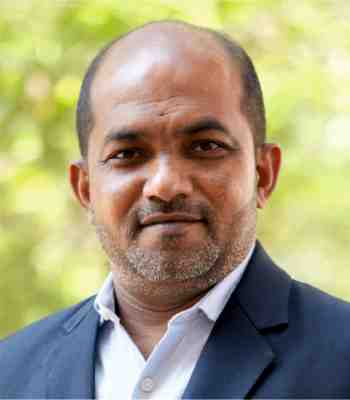
Past Conference Speakers (CPEIS-2026)
Nopphon Weeranoppanant's Biography
Nopphon Weeranoppanant
Associate Professor in Chemical Engineering & Deputy Director
Chulalongkorn University & BCGeTEC
Dr. Nopphon Weeranoppanant earned his B.S. in Chemical Engineering from Columbia University and his M.S. and Ph.D. from MIT. He is an Associate Professor in Chemical Engineering at Chulalongkorn University and a deputy director at the Bio-Circular-Green Economy Technology and Engineering Center (BCGeTEC). His work has been recognized through Emerging Investigator honors from Reaction Chemistry & Engineering (2019) and the Journal of Flow Chemistry (2020), and inclusion in the 2023 influential researchers list by ACS I&ECR.
Raksh Vir Jasra's Biography
Dr. Raksh Vir Jasra is a highly accomplished scientist and industrial research leader, currently serving as Senior Vice President & Head, R&D Centre, Reliance Industries Limited (RIL), Vadodara, India. He is also an Adjunct Professor at RMIT University, Melbourne, Australia, and holds honorary academic positions with IAR University, Gandhinagar and the Centre for Nanotechnology, IIT Guwahati, reflecting his strong engagement with global research and academic collaborations.Dr. Jasra earned his M.Sc. in Chemistry from Delhi University (1976) and completed his Ph.D. in Physical Chemistry from IIT Delhi (1981). He further advanced his expertise through a Post-Doctoral Fellowship at Imperial College London, UK (1989–1990). His core areas of specialization include catalysis for chemical and petrochemical processes, adsorptive separation of gases and hydrocarbons, and the development of advanced nanomaterials, including nano metal particles, nanoporous solids, and nanocomposites. He is also recognized for his exceptional R&D leadership, with nearly three decades of experience in managing large multidisciplinary research teams.
Dr. Jasra has an outstanding record of innovation and industrial impact, having contributed to the development of 67 chemical processes, including 28 commercialized technologies and 27 pilot-scale developments. He has published 343 peer-reviewed research articles and holds an impressive portfolio of 329 granted patents, including 68 US patents and 152 Indian patents. His research impact is widely acknowledged with 15,000+ citations, an h-index of 62, and an i10-index of 234 (Google Scholar). He has also mentored 27 Ph.D. scholars and 14 postgraduate students. Recognized globally for his scientific contributions, Dr. Jasra has been featured in Stanford University’s Top 2% Scientists in the World list since 2020 and has received several prestigious honors, including Lifetime Achievement Awards, the Vasvik Award, and multiple national awards for technology innovation. He has delivered 200+ invited lectures, authored 950+ industrial technical reports, and served on national advisory committees for organizations such as CSIR, DST, and MHRD.
Kuber Jagdale's Biography
Dr. Kuber Jagdale is a seasoned pharmaceutical industry leader with over 38 years of experience in API and formulation operations, strategic leadership, and global regulatory compliance. Currently serving as President – API Business Unit at Emcure Pharmaceuticals Ltd., he leads end-to-end operations, driving business growth, operational excellence, and supply chain efficiency.
Previously, he held senior leadership roles including Chief Operating Officer at Sekhmet Pharma Ventures and Senior Vice President at Cipla Ltd., where he managed large-scale API operations across multiple manufacturing sites and led several greenfield and brownfield projects. Dr. Jagdale has extensive expertise in technology transfer, process optimization, and cGMP compliance, with a strong track record of successful inspections by global regulatory authorities such as USFDA and WHO.
He holds a Ph.D. in Pharmaceutical Sciences and is known for fostering high-performing teams, driving innovation, and advancing sustainable growth in the pharmaceutical sector.
Deepak Naik's Biography
Deepak Naik is an accomplished Environment, Health, Safety, and Sustainability (HSE&S) leader with over 32 years of extensive experience in driving strategic EHS transformation across complex industrial and corporate environments. As Senior Vice President – Corporate HSE & Sustainability, he provides visionary leadership in embedding a strong safety culture, enhancing operational risk resilience, and advancing sustainability frameworks aligned with global standards and stakeholder expectations. Deepak has deep technical expertise in Process Safety Risk Assessment, HAZOP studies, Environmental Impact Assessments (EIA), and the development of comprehensive EIA reports and Disaster Management Plans based on the PHAST model. His experience spans environmental protection, industrial hygiene, occupational health, and integrated management systems, enabling him to lead multi-site risk evaluations and strengthen enterprise-wide compliance and governance frameworks. He is a Certified Lead Auditor for Environmental Management Systems (EMS), an Internal Auditor for Quality Management Systems (QMS), and a Certified Internal Trainer for EHS modules. In addition, he is a Certified Social Accountability 8000 (SA8000) Auditor and recognized as an ESG Professional – Impact Leader by the National Association of Impact Leaders (NAIL), reflecting his commitment to responsible business practices and sustainable value creation. In his leadership capacity, Deepak directs Operational Risk Evaluations and Site HSE Risk Reviews across key technical disciplines, including process safety, industrial hygiene, and environmental management. He works closely with cross-functional leadership teams to identify critical risks, design mitigation strategies, and implement robust control measures that enhance operational integrity and long-term resilience. A strong advocate of capability building, Deepak leads structured EHS coaching initiatives for business partners. He collaborates with internal stakeholders and external professional bodies to strengthen supplier EHS competence, ensuring alignment with corporate standards and regulatory requirements across the value chain. Throughout his career, Deepak has demonstrated a consistent ability to integrate safety, sustainability, and business performance—positioning HSE not merely as a compliance function, but as a strategic enabler of operational excellence and responsible growth.
Deepak Jain's Biography
Dr. Deepak Jain is a Chemical Engineer (Ph.D.) with over 28 years of experience across academia and the pharmaceutical industry, specializing in small molecule APIs and drug products. His expertise spans chemical process engineering, including process intensification, scale-up, and process safety, along with strong proficiency in Computational Fluid Dynamics (CFD). He is a strong proponent for digital transformation, including AI/ML application in development and manufacturing, and a subject matter expert in process safety. A global leader in his field, he has led new product development programs, supported multi-region regulatory filings, and contributed to R&D pipelines for both new and improved products. He brings extensive experience in process development, pilot plant operations, technology transfer, and lifecycle management, integrating advanced technologies and mathematical modelling to deliver efficient, scalable, and safer processes aligned with sustainability principles. Currently, as Senior Research Director, Development Sciences and Technologies at Zoetis R&D, he is responsible for global API process and technology development and transfer for New Chemical Entities (NCEs) as a process chemistry and scale-up operations leader. He has previously held a scientific role at Ranbaxy Laboratories and is an advocate of Green Chemistry/sustainability, with multiple patents, publications, and recipient of prestigious global EHS award across 125 countries in Pfizer.
Vijay Bhujle's Biography
Vijay Bhujle is a seasoned chemical engineering professional with over 45 years of experience in chemical process development, scale-up, and technology transfer across the pharmaceutical, specialty chemical, and agrochemical industries. He founded his company in 2015 along with two of his colleagues and is currently serves as Director and Senior Vice President – Technical at GVS Cibatech Pvt Ltd, where he provides expertise in process safety, thermal hazard evaluation, and risk assessment for chemical manufacturing. Earlier in his career, he held leadership roles in research and technology at global organizations including Ciba, and has also worked with Atul Ltd., Hindustan Lever Research Centre, and Intertek. His work focuses on enabling safe and efficient process development, scale-up, and industrial implementation of chemical processes. He is visiting faculty at ICT for last 20 years.
Shivkumar Iyer's Biography
Shivkumar Iyer is a technology and digital transformation leader with over two decades of expertise in leveraging advanced computational tools, data analytics, and intelligent systems to support innovation in engineering and industrial processes. With a strong background in enterprise technology architecture and solution development, he focuses on enabling data-driven decision-making and digital integration across complex operational environments. His work increasingly aligns with emerging trends such as Chemical Process Intensification, where digital technologies, advanced analytics, and integrated systems play a crucial role in optimizing process efficiency, safety, and sustainability. Through his professional engagements and knowledge-sharing initiatives, he actively contributes to discussions on the intersection of digital transformation and next-generation chemical and process engineering to have a sustainable process robustness for seamless commercial scale.
Rajendra Shinde's Biography
Mr. Rajendra Shinde is currently contributing as Director at Capgemini India Limited and leading Digital Solutions for Oil and Gas and Chemicals sectors. Rajendra is B.Tech. in Chemical engineering and holds Advanced management credentials from IIM Indore and sustainability coursework from Stanford. Rajendra has an extensive industrial experience of 27 plus years in leading organizations including Indian Petrochemical Corporation Limited, Engineers India Limited, Ingenero Technologies, Tech Mahindra etc. He is an expert in Process Optimization, Process engineering, Asset Management, Process Safety, Process consulting, and Management consulting and has developed various Digital solutions across various areas for Chemicals and Oil and Gas industry. Rajendra is driving the future of energy transformation by architecting bold strategies that redefine industry standards. With deep domain expertise and a proven record of delivering outcome-driven programs, Rajendra is committed to shaping sustainable, innovative solutions that empower organizations to thrive in a rapidly evolving energy landscape. Rajendra is passionate about leveraging AI, IoT and automation to shape the future of energy. Rajendra has spearheaded global programs that bridge operational realities with cutting-edge technologies delivering measurable outcomes in efficiency, reliability, and sustainability.
Sreepriya Vedantam's Biography
Dr. Sreepriya Vedantam is a Chemical Engineer with research experience in the area of Design and Scale-up of Chemical Process Equipment for Process Development, Process Intensification including flow processes using MRT, Multiphase flows with phase change (Crystallization), Computational and Experimental Fluid Dynamics. She carries experience in CFD modeling of single and multi-phase flows including phase change involving laminar and turbulent flows, Model Integration, Compartmental Modeling at various scales.
Sridhar Surat's Biography
Sridhar Surat is an accomplished pharmaceutical operations leader with over 25 years of experience in the pharma industry. He currently serves as Associate Vice President – Operations at Apitoria Pharma Private Limited, a 100% subsidiary of Aurobindo Pharma. He brings extensive expertise in manufacturing operations, technical services, operational excellence, and process optimization, along with strong hands-on experience in new product introduction and technology transfer. Sridhar has also played a key role in driving digitalization, automation, and efficiency improvements in pharmaceutical operations. Over the course of his career, he has held positions at leading organizations including Lupin Limited and Godrej Soaps Limited, contributing significantly to operational excellence and cross-functional business management.
Kiran Desai's Biography
A seasoned Chemical Engineer with over 25 years of experience in the chemical and pharmaceutical industries, he brings extensive expertise in chemical process development, scale-up, technology transfer, and process safety. His work includes scaling up processes to metric-ton (MT) levels for small molecules, enabling improved project economics and efficient commercialization. His experience also includes the scale-up of peptides and high-potent compounds, Peptide DMF filings, and the execution of both greenfield and brownfield projects. He has successfully led multidisciplinary teams across civil, mechanical, electrical, instrumentation, and chemical engineering for complex facility development, including high-pressure hydrogenation and Penem intermediate manufacturing units. His work focuses on process optimization, crystallization design, impurity control, and capacity enhancement, enabling improved product quality and reduced cycle times. He also plays a key role in safety, quality, and customer audits while mentoring engineering teams and strategic partners.
Rahul Nabar's Biography
Prof. Rahul Nabar is an Adjunct Professor in the Department of Chemical Engineering at IIT Bombay. He works on topics such as scale up, process safety, chemical regulations and sustainability. He has a Ph.D. from the University of Wisconsin–Madison in the area of refining catalysis and reaction kinetics. Alongside his academic role, Prof. Nabar runs an active consulting practice where he advises chemical manufacturers, process-equipment fabricators, and industry bodies on techno-commercial topics related to the chemicals sector. Areas of focus include renewables, green hydrogen, petrochemicals, and specialty chemicals such as fragrances, crop protection and pharma. Prof Nabar also teaches courses for chemical industry professionals and co-chairs the R&D Committee at the Indian Chemicals Council.
Naveen Rengarajan's Biography
Naveen Rengarajan is a seasoned chemical engineering professional with nearly two decades of experience in Process Engineering, Process Safety, Technology Transfer, Pat Technology, Manufacturing Excellance, Modelling and Simulation within the pharmaceutical industry. Currently associated with Pfizer, he has been instrumental in driving process optimization, scale-up, and the implementation of safe and efficient manufacturing practices across complex operations. His expertise spans continuous improvement, risk assessment, and integrating innovative engineering solutions to enhance productivity and compliance. Naveen holds a chemical engineering degree, which complements his practical, industry-driven approach to problem-solving. He is recognized for his ability to lead cross-functional teams, manage critical projects, and deliver sustainable process improvements. With a keen interest in advancing modern chemical engineering practices, he actively contributes to developing robust, scalable, and future-ready manufacturing systems aligned with industry best practices.
Shankar Madhavappa Karhale's Biography
Shankar Madhavappa Karhale
Head – Corporate Environment and Sustainability (VP)
Aarti Industries Limited
Shankar Madhavappa Karhale is a seasoned professional with over 32 years of extensive experience in the chemical industry, specializing in Safety, Health & Environment (SHE), sustainability, and manufacturing operations. Currently serving as Head – Corporate Environment and Sustainability (VP) at Aarti Industries Limited, Vadodara, he plays a pivotal role in driving sustainability initiatives across multiple manufacturing units and greenfield projects.
He holds a BE in Chemical Engineering, a Master’s in Ecology & Environment, and multiple certifications including Energy Auditor (Govt. of India) and ISO 14001 Lead Auditor. His expertise spans environmental management, energy and water conservation, waste minimization, and emission reduction.
Shankar has successfully led initiatives in waste valorization, GHG assessment, and green belt development. He has also contributed to hazardous waste inventory projects and is an active member of leading industry bodies such as FICCI and ICC, reflecting his commitment to sustainable industrial growth.
Thomas Kendall's Biography
Dr Thomas Kendall is an application specialist with Technobis crystallization systems with 13 years of experience in solid form and crystallization development in the pharmaceutical sector. PhD in chemical engineering with CMAC at the university of Strathclyde investigating nucleation mechanisms in pharma systems. Previously working for Pharmorphix, Johnson Matthey as a solid form scientist Investigating customer compounds in pharma and agro sector.Designing and conducting polymorph, salt and co-crystal screening projects, as well as crystallization development using Process analytical technologies, design of experiments, and modelling software up to Kg scale. Resulting in several patients, webinars and a book chapter on solid form and crystallization development.
Chandrakant K Sethia's Biography
Chandrakant K Sethia
National Head – Sales & Business development
Corning Advanced-Flow Reactor (AFR) Technologies
Chandrakant is National Head – Sales & Business development, Advanced-Flow Reactor (AFR) Technologies and President for Corning Sustainability Network (CSN) India.
He is responsible for growth and driving the Flow Reactors market to generate potential new business opportunities with a focus on flow technologies.
Chandrakant has been with Corning Reactor Technologies for over Ten years and has 20+ years of broad and diverse experience in developing market for new products in reactors and mixing technologies for Pharmaceutical, Specialty Chemical & Agro companies. His key focus area is to develop markets for the adoption of continuous flow technologies from lab to production and take the projects from concept to commercialization.
Prior to Corning, Chandrakant worked in the Process equipment industry, where he primarily focused on industrial agitators and mixers for various critical applications, reactor designs, and novel reactor application engineering across the commercial productions.
Chandrakant holds a B. Tech in Chemical Engineering from University Department of Chemical Technology (UDCT).
Vilobh Shete's Biography
Vilobh Shete is a Chemical Engineer with over 15 years of experience in process engineering, reaction engineering, and process safety across the chemical, pharmaceutical, and specialty materials industries. He specializes in thermal hazard assessment using advanced calorimetric techniques, including reaction calorimetry and adiabatic systems, to evaluate runaway reaction risks and support safe scale-up. His expertise spans vent sizing methodologies, reaction kinetics, gas evolution analysis, and crystallization processes, enabling robust process development from laboratory to commercial scale. Vilobh has worked extensively across India, Southeast Asia, Australia, and New Zealand, providing technical consulting and application support for advanced process safety and analytical technologies. He holds an MBA in Operations with a focus on AI/ML, complementing his engineering expertise with data-driven decision-making approaches. Vilobh is passionate about advancing process safety through the integration of engineering fundamentals, experimental data, and intelligent systems for safer and more efficient chemical processes.
Vijendra Singh's Biography
Mr. Vijendra Singh holds a master’s degree from University of Texas, in Mechanical Engineering with a specialization in Thermal and Fluid Sciences. He brings over a decade of rich experience in the oil & gas and specialty chemicals sectors across North American markets. After 11 years of professional excellence in North America, Mr. Singh transitioned to India, where he currently leads Zaiput’s operations in the subcontinent. In this role, he is instrumental in supporting the pharmaceutical, specialty, and fine chemicals industries by advancing the adoption of innovative flow chemistry solutions.
Rahul Raman's Biography
Rahul Raman is Principal Engineer at Kaypear with over 19 years of global expertise in process safety management (PSM) across the United States, Mexico, China, South Korea, and India. A Chartered Chemical Engineer with a Master's degree from Carnegie Mellon University and a B.Tech in Chemical Engineering from Anna University, he specializes in emergency relief system design, reactive hazard assessment, and process safety management implementation.
Rahul has successfully led major projects in oil and gas, petrochemical, and chemical industries, including relief system gap assessments, HAZOP studies, quantitative risk assessments, and implementing safety standards like RAGAGEP. An active member of industry forums, he has chaired technical sessions at AIChE's Global Congress on Process Safety and contributed to API standards development.
Rahul provides innovative technical stewardship, developing custom tools and advancing global process safety practices through training and publications.
Conference Agenda
- Advanced Solvent Selection for Industrial Chemistry
- Green & Alternative Solvents for Sustainable Manufacturing
- Solvent Recovery & Recycling
- Catalyst Selection: Homogeneous, Heterogeneous & Biocatalysts
- Biocatalysis for Modern Industrial Chemistry
- Catalyst Stability, Reusability & Deactivation Control
Agenda Topics for Catalyst & Solvent Strategies
-
Advanced Solvent Selection for Industrial Chemistry
- Solvent effects on reaction kinetics, selectivity, and impurity pathways
- Polarity, hydrogen bonding parameters, Kamlet–Taft descriptors
- Solvent–substrate–catalyst interactions: what chemists must evaluate
- ICH Guidelines for solvent selection (Class 1/2/3 solvents, residual limits, regulatory compliance), nitrosamine formation and secondary amine impurities
- EHS considerations: VOC norms, solvent bans, worker safety
- Cost–performance–safety trade-offs for Indian manufacturing
-
Green & Alternative Solvents for Sustainable Manufacturing
- Bio based solvents, ionic liquids, deep eutectic solvents (DES), supercritical fluids, CO2-switchable solvent
- Water as a reaction medium: when it works and when it fails
- Solvent swaps for regulatory compliance (Class 2 → Class 3)
- Case studies: greener solvents in hydrogenation, coupling, oxidation
- Cost and lifecycle analysis of green solvent adoption
- Replacing Traditional Solvents Without Compromising Yield
-
Solvent Recovery & Recycling
- Distillation, pervaporation, membrane separations, hybrid systems
- Designing reactions for easier solvent recovery
- Antisolvent selection for crystallization, polymorphism and recovery
- Solvent purity requirements for reuse in API and intermediate synthesis
- Reducing solvent losses, VOC emissions, and waste disposal costs
- Industrial case studies from Indian pharma and chemical plants
-
Catalyst Selection: Homogeneous, Heterogeneous & Biocatalysts
- Mechanistic considerations: active sites, ligand effects, metal choice
- Catalyst–solvent compatibility and stability
- When to choose homogeneous vs. heterogeneous vs. enzymatic systems, phase transfer catalysts
- Challenges in biocatalyst use: residual protein, enzyme impurities, filtration issues
- Catalysts for chiral molecule synthesis: stereoselectivity, enantioselectivity, and industrial constraints
- Cost, availability, and lifecycle considerations for Indian industry
-
Biocatalysis for Modern Industrial Chemistry
- Enzyme classes relevant to pharma: KREDs, transaminases, lipases
- Cofactor recycling, enzyme immobilization, and process intensification
- Solvent tolerance of enzymes: aqueous–organic systems, DES, ILs
- Replacing metal catalysts with biocatalysts: yield, selectivity, cost
- Catalyst selection kits for rapid screening and route scouting
- Case studies: chiral intermediates, late stage functionalization, green routes
-
Catalyst Stability, Reusability & Deactivation Control
- Solvent driven deactivation: poisoning, leaching, fouling, metal scavenging for ICH Q3D compliance
- Catalyst regeneration and reactivation strategies
- Designing processes for catalyst reuse and recycling
- Improving TOF and TON for industrial reactions
- Case studies from hydrogenation, C–C coupling, oxidation, biocatalysis
Who should attend
- R&D & Process Development Scientists
- Scale Up, Technology Transfer & Manufacturing Teams
- Catalysis & Biocatalysis Specialists
- Green Chemistry, Sustainability & Compliance Teams
- Process Engineering & Operations Teams
- Business, Strategy & Procurement Leaders
- Academia & Research Institutions (Advanced Level Only)
- Solution Providers & Technology Vendors
Who should attend
-
R&D & Process Development Scientists
Professionals directly involved in reaction optimization, solvent selection, catalyst screening, and route scouting:
- Process chemists
- R&D scientists (API, intermediates, fine chemicals)
- Reaction engineers
- Formulation & analytical scientists supporting reaction development
-
Scale Up, Technology Transfer & Manufacturing Teams
Experts responsible for taking reactions from lab to pilot to plant:
- Tech‑transfer scientists
- Scale‑up engineers
- Manufacturing chemists
- Plant managers & production supervisors
- Process safety & EHS engineers
-
Catalysis & Biocatalysis Specialists
Professionals working on catalytic transformations, enzyme‑based processes, and chiral synthesis:
- Homogeneous & heterogeneous catalysis scientists
- Biocatalysis researchers (KREDs, transaminases, lipases, etc.)
- Enzyme technology teams
- Scientists evaluating catalyst selection kits and high‑throughput screening
-
Green Chemistry, Sustainability & Compliance Teams
Those driving solvent reduction, greener routes, and regulatory alignment:
- Green chemistry leads
- Sustainability officers
- EHS & regulatory compliance professionals
- Teams responsible for ICH solvent compliance and VOC reduction
-
Process Engineering & Operations Teams
Professionals optimizing plant‑level performance:
- Chemical engineers
- Process intensification specialists
- Solvent recovery & recycling engineers
- Crystallization and antisolvent selection experts
-
Business, Strategy & Procurement Leaders
Decision‑makers who influence cost, efficiency, and technology adoption:
- Procurement managers (solvents, catalysts, enzymes)
- Strategy & operations leaders
- Business development managers in chemicals/pharma
- Innovation & technology scouting teams
-
Academia & Research Institutions (Advanced Level Only)
Senior researchers working closely with industry on:
- Catalysis
- Biocatalysis
- Green solvents
- Reaction engineering
- Process intensification
(This event is not for students; only senior researchers with industrial collaboration relevance.)
-
Solution Providers & Technology Vendors

Companies offering:
- Catalysts, enzymes, and catalyst selection kits
- Green & alternative solvents
- Solvent recovery systems
- High‑throughput screening tools
- AI/ML platforms for reaction optimization
Conference Officials
WhatsApp: 9041725050
Venue
Hotel Sayaji, Vadodara
Address: Near, Bhimnath Bridge, opp. Parsi Agyari, Parshuram Nagar, Sayajiganj, Vadodara, Gujarat 390007

Why Exhibit
Direct Access to Decision‑Makers and Technical Buyers
The audience includes process chemists, R&D scientists, scale‑up engineers, procurement heads, and manufacturing leaders — the exact people who evaluate and purchase catalysts, solvents, enzymes, and process technologies.
Showcase Innovations to a Highly Targeted, Industry‑Ready Audience
Vendors can demonstrate new catalysts, biocatalysts, green solvents, recovery systems, and screening kits to professionals actively seeking solutions for efficiency, sustainability, and cost reduction.
Position Your Brand as a Technology Leader in Reaction Engineering
Exhibiting places your company at the centre of India’s shift toward green chemistry, biocatalysis, and advanced solvent/catalyst engineering — strengthening brand authority.
Generate High‑Quality Leads for Immediate and Long‑Term Projects
Attendees represent companies working on new API routes, scale‑ups, solvent swaps, catalyst upgrades, and sustainability initiatives — all requiring vendor partnerships.
Engage in Technical Discussions That Influence Real Projects
Unlike general expos, this event attracts industry scientists, enabling deep, chemistry‑driven conversations that often lead to pilot trials, sampling, and technology evaluations.
Demonstrate Practical Value Through Live Interactions
Vendors can show: Catalyst selection kits; Enzyme screening panels; Solvent recovery technologies; Green solvent alternatives; High‑throughput screening tools; Digital AI/ML platforms.
Build Relationships With R&D, Scale‑Up, and Manufacturing Teams
These teams rarely attend generic trade shows. This conference brings them together in one place, making it easier to build multi‑department relationships within the same company.
Understand Industry Pain Points and Future Needs
Direct conversations with chemists and engineers reveal:
- What catalysts are failing
- Where solvent recovery is inefficient
- What biocatalysis challenges exist
- What green solvent gaps remain
- What tools scientists need next
Strengthen Visibility Among India’s Fast‑Growing Pharma & Chemical Sector
India is rapidly expanding in APIs, intermediates, and speciality chemicals. Exhibiting here positions vendors to ride that growth wave.
Opportunity to Collaborate on Joint Development or Pilot Projects
Many companies attending are open to:
- Joint catalyst development
- Enzyme screening collaborations
- Solvent recovery optimization projects
- Green chemistry route scouting
- Digital tool integration
Exhibitors can initiate these partnerships on the spot.
Catalyst & Solvent Strategies
Download Programme PDFFriday, 10th July 2026
| 08:00 |
Tentative Programme
|
| 09:00 |
Inaugural Session
|
| 09:30 |
Plenary Session: India’s Reaction Engineering Future: Efficiency, Sustainability & Scale
Why solvent and catalyst selection are the biggest levers for industrial competitiveness. The shift toward green chemistry, biocatalysis, and low‑carbon processes. India’s opportunity to lead in sustainable reaction engineering |
| 10:00 |
Session 1- Advanced Solvent Selection for Industrial Chemistry
Theme: Critical Issues in Solvent Choice: Mechanistic & Practical Perspectives |
| 10:45 |
Networking Tea Break
|
| 11:15 |
Session 2- Green & Alternative Solvents for Sustainable Manufacturing
Theme: Replacing Traditional Solvents Without Compromising Yield |
| 12:00 |
Session 3- Solvent Recovery & Recycling: Engineering Solvent Systems for Maximum Reuse
Theme: Engineering Solvent Systems for Maximum Reuse |
| 12:45 |
Lunch & Networking
|
| 13:45 |
Session 4- Catalyst Selection: Homogeneous, Heterogeneous & Biocatalysts
Theme: Choosing the Right Catalyst for Industrial Feasibility |
| 14:30 |
Session 5- Biocatalysis for Modern Industrial Chemistry
Theme: The Fastest‑Growing Catalyst Platform in India |
| 15:15 |
Tea Break
|
| 15:30 |
Session 6- Catalyst Stability, Reusability & Deactivation Control
Theme: Maximizing Catalyst Lifetime to Improve Profitability |
| 16:15 |
Session 7- Solvent–Catalyst Synergy for High Efficiency Reactions
Theme: Designing the Ideal Reaction Environment |
| 17:00 |
Panel Discussion: “Catalyst and Solvent Technologies Shaping the Future of Manufacturing”
|
| 17:30 |
Closing Remarks & Vote of Thanks
|
| 17:40 |
Presentation of Academic Innovations through Digital Posters
Digital Poster Presentations on Catalysis, Biocatalysis, Green solvents, Reaction engineering and Process intensification |
| 18:30 |
Networking Dinner
|
Details
Why Technical Teams Should Attend
- Strengthen route‑selection decisions with deeper understanding of catalytic pathways, solvent effects, and reaction engineering fundamentals.
- Learn practical solvent‑recovery strategies (distillation, azeotrope breaking, recycling limits, impurity control) that directly impact batch and continuous operations.
- Benchmark catalytic performance across homogeneous, heterogeneous, and biocatalytic systems with real industrial case data.
- Improve scale‑up reliability through insights on mixing, heat transfer, mass transfer, and catalyst deactivation under plant conditions.
- Reduce process variability by understanding solvent–catalyst interactions, impurity formation, and reaction kinetics.
- Identify cost‑saving opportunities in solvent reuse, catalyst life extension, and waste minimization.
- Translate lab results to plant reality with sessions focused on troubleshooting, robustness studies, and process control.
Payment Modes
If you wish to pay by UPI/Credit/Debit Card or Net Banking, you can register through our secure payment gateway. Click on register now tab on the registration page, select your category and proceed for payment.
If you wish to pay by direct bank transfer by NEFT/RTGS or you want to pay against a GST invoice, please contact our Support Team by email at s.kanwar@glostem.com/f.zainab@glostem.com or call 8289015050/7696425050.
If you wish to receive a GST invoice, please share your company GST certificate at the time of registration only.
Registration
Register Now| Category | Currency | Base Fee | GST / Tax % | Total (incl.) |
|---|---|---|---|---|
|
Technical and Professional Delegates from Industry
|
INR | ₹10,000.00 | 18% | ₹11,800.00 |
|
Group of 3 Industry Delegates
|
INR | ₹25,000.00 | 18% | ₹29,500.00 |
|
Business Delegates from Industry
|
INR | ₹15,000.00 | 18% | ₹17,700.00 |
|
Overseas Business Delegates
|
USD | $150.00 | 18% | $177.00 |
|
Overseas Business Delegates
|
EUR | €100.00 | 18% | €118.00 |
|
Academic Scientists/Faculty
|
INR | ₹8,000.00 | 18% | ₹9,440.00 |
|
Research Scholars for Presentation
|
INR | ₹6,000.00 | 18% | ₹7,080.00 |
- Manual: Cheque / NEFT / RTGS (confirmation number required)
- Razorpay: UPI, NetBanking, Credit/Debit Cards (INR)
- ICICI Payment Gateway (as enabled)
- Access to all conference sessions
- Conference kit & materials
- Tea/Coffee & Lunch (as per program)
- Certificate of participation